Blog / Dave Sinclair Lincoln Service

The Advantages Of Lincoln BlueCruise

Lincoln BlueCruise Advantages - St. Louis, MO

How Lincoln BlueCruise Changes Everyday Driving

Driving around St. Louis can change quickly. One minute you are moving comfortably along I-64 near Frontenac, and the next you are slowing down near I-270, watching traffic tighten around you as everyone heads toward Clayton, Chesterfield, downtown St. Louis or Lambert International Airport. For many local drivers, the daily routine is not one long road trip. It is a series of short, busy, attention-heavy drives that can wear you down over time. That is where Lincoln BlueCruise becomes more than just another technology feature. It is not about turning your Lincoln into a self-driving vehicle. It is about making the parts of driving that feel the most repetitive, tiring and demanding feel more controlled and more comfortable. For St. Louis drivers who spend time on I-64, I-44, I-55, I-70 or I-270, Lincoln BlueCruise can add hands-free highway driving assistance on compatible mapped highways, helping your Lincoln manage steering, braking and acceleration while you keep your eyes on the road. The result is a driving experience that feels more relaxed without removing the driver from the responsibility of driving. At Dave Sinclair Lincoln St. Louis, this is one of the Lincoln technologies we believe luxury shoppers should understand before they choose their next SUV. Lincoln BlueCruise fits the brand because it is not loud, flashy or complicated. It supports the larger Lincoln idea of quiet luxury: less stress, more confidence and a calmer drive.

Traffic Around St. Louis Is Not What It Used To Be

St. Louis drivers know that traffic is not limited to one part of town. A morning commute from Chesterfield to Clayton can feel very different from an afternoon drive from Ballwin to downtown St. Louis. A quick trip on Manchester Road can become a longer drive once you connect to I-270, and a weekend run to a Cardinals game can mean stop-and-go traffic before you ever reach the city. Then there are the longer local and regional drives. Maybe you are heading from West County to Lambert International Airport for an early flight. Maybe you are driving across Missouri for a weekend at the Lake of the Ozarks. Maybe you are visiting family in Columbia, heading to Kansas City, or taking I-55 toward southern Missouri. These are exactly the kinds of drives where comfort, awareness and fatigue reduction matter. Luxury is often described in terms of materials, design and performance, but for many St. Louis drivers, real luxury is how you feel after the drive. Do you arrive tired and tense, or do you arrive more settled? Do you feel like the vehicle helped you manage the trip, or did every mile feel like work? Lincoln BlueCruise is designed for that real-world question. It helps reduce the constant steering corrections, speed adjustments and lane-centering effort that can make highway driving feel more draining than it should.

What Is Lincoln BlueCruise?

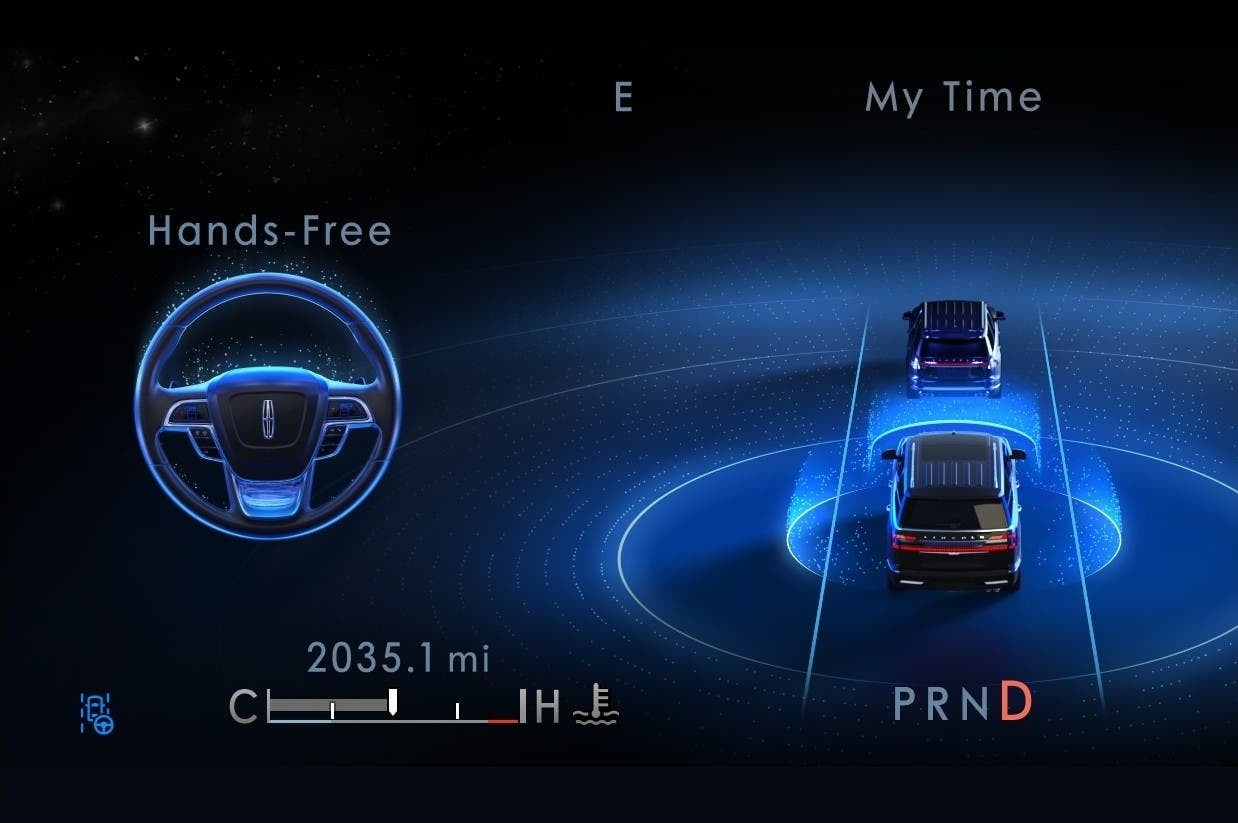
Lincoln BlueCruise is an available hands-free highway driving technology that builds on Intelligent Adaptive Cruise Control. When conditions are right and you are driving on a compatible hands-free Blue Zone, BlueCruise can help control steering, braking and acceleration while keeping the vehicle centered in its lane. The important part is this: BlueCruise is a driver-assistance feature. It is not full autonomous driving. You still need to pay attention, watch the road and be ready to resume control when needed. BlueCruise uses a driver-facing camera to help confirm that your eyes remain on the road. That matters because the system is not designed for distracted driving. It is designed to assist attentive driving. Your hands may be off the wheel in approved conditions, but your focus still needs to be forward. In simple terms, BlueCruise helps with:
  • Maintaining lane position on compatible highways
  • Adjusting speed with traffic flow
  • Reducing repetitive steering input
  • Making longer highway drives feel less tiring
  • Supporting a calmer, more confident driving experience
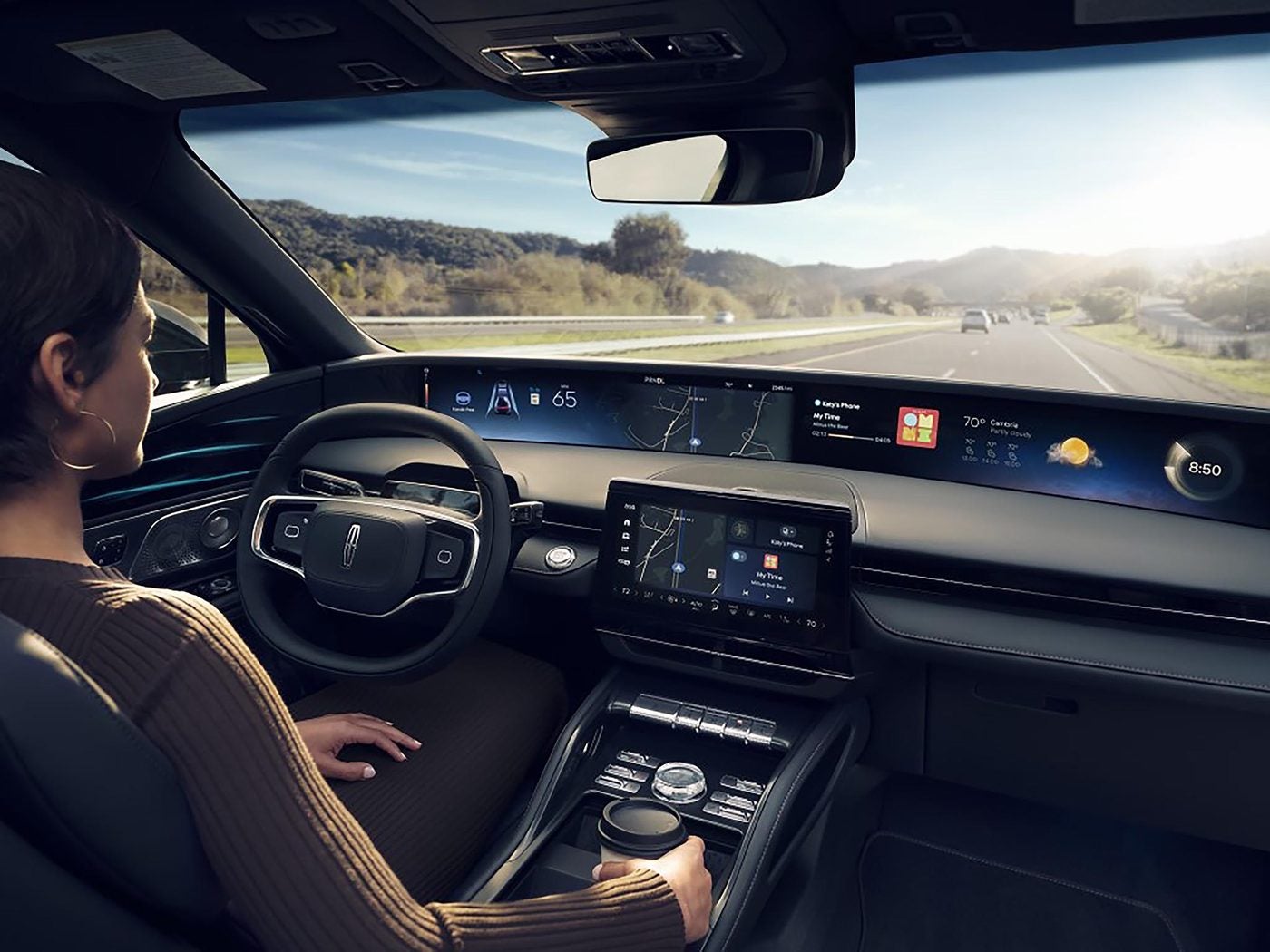
For a Lincoln shopper, the benefit is not just the technology itself. The benefit is how naturally it fits into the rest of the vehicle. In a Lincoln Nautilus, Aviator or Navigator, BlueCruise works alongside a quiet cabin, comfortable seating, intuitive displays and refined ride quality to create a more relaxing kind of highway travel.

Where Can You Use BlueCruise Around Missouri?

Lincoln BlueCruise is designed for prequalified sections of divided highways known as hands-free Blue Zones. These are mapped areas where the system can operate when conditions allow. That makes it especially relevant for drivers who spend time on major controlled-access highways around St. Louis and beyond. For local drivers, that may include highway-focused driving patterns such as:
  • Commuting along I-64 between St. Louis, Richmond Heights, Frontenac and Chesterfield
  • Using I-270 to move between South County, West County and North County
  • Driving I-70 toward St. Charles, Columbia or Kansas City
  • Taking I-44 toward Eureka, Rolla or Springfield
  • Using I-55 for trips south of St. Louis
Availability can vary based on road mapping, conditions, vehicle equipment and active plan status, so the best way to understand the experience is to review the specific Lincoln model you are considering and test the system with a knowledgeable Lincoln specialist. That is also why BlueCruise is especially useful to discuss during a test drive. Many luxury features can be understood by sitting in the driver seat. BlueCruise is different. You understand it best when you see how naturally it can reduce the workload of highway driving.

Real Driving Situations Where BlueCruise Makes A Difference

The best way to understand Lincoln BlueCruise is not through a technical description. It is through normal St. Louis driving situations.

The I-270 Commute

If you commute on I-270, you know how quickly traffic can go from open to congested. BlueCruise can help make those stretches feel more manageable by assisting with speed control and lane centering when conditions allow. Instead of constantly adjusting your speed and steering position, you can settle into the drive while remaining alert and ready.

The Airport Run

A drive to Lambert International Airport can be simple, but it can also involve early mornings, construction zones, lane changes and unpredictable traffic. BlueCruise cannot remove every challenge, but it can make compatible highway portions of the drive feel less demanding.

The Weekend Trip

For families heading from St. Louis to the Lake of the Ozarks, Hermann, Columbia or Kansas City, BlueCruise can help reduce fatigue over longer stretches. That matters when you are traveling with family, luggage, golf clubs, sports gear or weekend bags.

The Business Drive

For professionals driving between Clayton, downtown St. Louis, Chesterfield and surrounding communities, comfort matters. Arriving focused can be just as important as arriving on time. BlueCruise supports that by making certain highway segments feel smoother and less mentally taxing.

BlueCruise Does Not Replace You

One of the biggest misconceptions about BlueCruise is that it makes the vehicle self-driving. It does not. BlueCruise is hands-free highway driving assistance in approved areas, not a replacement for the driver. You still need to watch the road, remain engaged and be prepared to take control. The vehicle may assist with steering, speed and lane positioning, but the driver remains responsible. That distinction is important because it is also what makes BlueCruise feel trustworthy. It is not trying to make the driver irrelevant. It is trying to make the driver less fatigued. For many St. Louis Lincoln shoppers, that is the right balance. They do not want a complicated system that feels disconnected from the driving experience. They want technology that supports comfort, safety and confidence without feeling intrusive. BlueCruise fits that role well because it is designed to work in the background. When available, it can help. When conditions change, the driver takes over. That clear division of responsibility is part of what makes the technology practical for real-world use.

Which Lincoln Vehicles Offer BlueCruise?

Lincoln BlueCruise availability depends on model, model year, trim level, package and active service plan or trial status. That is why it is important to review the exact Lincoln SUV you are considering rather than assuming every vehicle is equipped the same way. The Lincoln lineup gives shoppers several ways to experience advanced driver-assist technology:
  • Lincoln Nautilus: A two-row luxury SUV with a modern cabin, available hybrid performance and a technology-forward driving experience.
  • Lincoln Aviator: A three-row luxury SUV that blends family utility with refined power and advanced highway-driving assistance when equipped.
  • Lincoln Navigator: A full-size luxury SUV built for space, presence, long-distance comfort and premium travel.
  • Lincoln Corsair: A compact luxury SUV that may appeal to drivers who want Lincoln comfort in a smaller, easier-to-maneuver package.
For many St. Louis shoppers, the Nautilus is one of the most natural fits for BlueCruise because it balances daily usability, comfort, technology and size. The Aviator adds three-row flexibility for families. The Navigator brings the most space and presence for drivers who want full-size luxury. You can explore current Lincoln availability through our new Lincoln inventory, or contact our team to confirm which vehicles include BlueCruise and how the feature is configured.

How BlueCruise Fits Lincoln Quiet Luxury

Lincoln technology is different from technology that exists only to impress. The best Lincoln features are designed to make the vehicle feel calmer, more intuitive and more human. BlueCruise supports that philosophy because it reduces effort without demanding attention for itself. It is not a gimmick. It is a comfort feature, a confidence feature and a fatigue-reduction feature all at once. Think about how it works with the rest of the Lincoln experience:
  • A quiet cabin helps reduce outside noise.
  • Comfortable seating helps support longer drives.
  • Available Revel Audio creates a richer sound environment.
  • Advanced displays keep information easy to see.
  • BlueCruise helps reduce the repetitive effort of highway driving.
Together, those details create the Lincoln version of luxury. It is not just about arriving in a premium vehicle. It is about how the vehicle changes the feel of the trip. That matters in St. Louis because driving here is not one type of experience. You may spend one day in tight local traffic around Brentwood and the next day driving open highway miles toward Missouri wine country. A luxury SUV should feel composed in both situations.

Is BlueCruise Worth It For St. Louis Drivers?

For the right driver, Lincoln BlueCruise can absolutely be worth it. The strongest fit is someone who spends meaningful time on highways and values comfort as much as performance. BlueCruise may be especially useful if you:
  • Commute regularly on I-64, I-270, I-44, I-55 or I-70
  • Drive from West County into Clayton or downtown St. Louis
  • Take frequent airport trips
  • Travel to Columbia, Kansas City, Springfield or Lake of the Ozarks
  • Want a luxury SUV that helps reduce driving fatigue
  • Prefer technology that feels helpful instead of distracting
It may be less important if most of your driving is short neighborhood travel, city streets or low-speed local errands. BlueCruise is designed for compatible highway driving, so the more time you spend on those roads, the more value you are likely to notice. The real question is not simply whether BlueCruise is advanced. The better question is whether it improves the way you actually drive. For many St. Louis Lincoln shoppers, the answer is yes.

Experience Lincoln BlueCruise At Dave Sinclair Lincoln St. Louis

The best way to understand Lincoln BlueCruise is to experience it. Reading about hands-free highway driving can help, but feeling the difference from behind the wheel is what makes the technology click. At Dave Sinclair Lincoln St. Louis, we can help you compare Lincoln models, review BlueCruise availability, understand trim-level differences and choose the SUV that fits your daily life. Whether you are interested in the Lincoln Nautilus, Aviator, Navigator or Corsair, our team can help you focus on the features that matter most to your driving routine. You can start by browsing our new Lincoln inventory, reviewing available Lincoln finance options, or contacting our team to schedule a visit. If you already own a Lincoln, our Lincoln service department can also help with ownership questions, maintenance and technology support. Luxury should make life easier. Lincoln BlueCruise is one example of how the right technology can make everyday driving around St. Louis feel calmer, more confident and more refined.

Questions St. Louis Drivers Ask About Lincoln BlueCruise

Does Lincoln BlueCruise work on highways around St. Louis?

Lincoln BlueCruise is designed to work on compatible mapped sections of divided highways called hands-free Blue Zones. Around St. Louis, that makes it most relevant for drivers who spend time on major highways such as I-64, I-270, I-44, I-55 and I-70. The system does not work everywhere, and availability can depend on road mapping, vehicle equipment, active plan status and driving conditions. For a St. Louis driver, the biggest benefit is highway comfort. If your routine includes commuting from Chesterfield to Clayton, driving from Ballwin toward downtown St. Louis, or heading west toward St. Charles and Columbia, BlueCruise may help make compatible highway portions of the trip feel more relaxed.

Is Lincoln BlueCruise the same as self-driving?

No. Lincoln BlueCruise is not the same as a fully self-driving vehicle. It is a driver-assistance technology that can allow hands-free highway driving in approved conditions, but the driver must remain attentive and ready to take control. This is an important distinction. BlueCruise can assist with steering, braking, acceleration and lane centering on compatible highways, but it does not remove the driver’s responsibility. A driver-facing camera helps monitor attention, and the system is designed around the idea that your eyes stay on the road even when your hands are off the wheel.

Can I take my hands completely off the steering wheel with BlueCruise?

Yes, when BlueCruise is active in a compatible hands-free Blue Zone and all system conditions are met, the driver may take their hands off the steering wheel. However, that does not mean the driver can stop paying attention. BlueCruise is hands-free, not attention-free. You still need to watch traffic, monitor road conditions and be prepared to resume control. This is especially important around construction zones, changing weather, heavy congestion and unpredictable traffic patterns, all of which can happen around St. Louis highways.

Which Lincoln SUVs include BlueCruise?

Lincoln BlueCruise availability varies by model, model year, trim level and package. It may be available or included on select Lincoln SUVs such as the Lincoln Nautilus, Aviator and Navigator, depending on configuration and active plan status. The Lincoln Corsair may also offer advanced driver-assist features, depending on equipment. Because availability can change by model year and trim, shoppers should confirm BlueCruise details on the exact Lincoln SUV they are considering. Dave Sinclair Lincoln St. Louis can help you compare current inventory and identify which vehicles offer the technology.

Does BlueCruise work in traffic jams?

BlueCruise can help in certain highway traffic situations when the vehicle is on a compatible mapped highway and the system conditions are met. That can be helpful during slower traffic on I-270, I-64 or I-70, where constant speed adjustments and lane-centering can become tiring. However, BlueCruise is not a solution for every traffic situation. It is not designed for all city streets, parking lots, intersections or every congested road condition. The driver must remain attentive and ready to take control whenever needed.

Is Lincoln BlueCruise worth it for commuting in St. Louis?

For many St. Louis commuters, Lincoln BlueCruise can be worth it, especially if your daily drive includes significant highway time. Drivers who regularly use I-64, I-270, I-44, I-55 or I-70 may appreciate how BlueCruise can reduce repetitive steering and speed adjustments on compatible roads. The value is not just technology for technology’s sake. The value is comfort. If you want a Lincoln SUV that helps make your commute feel less tiring and more refined, BlueCruise is a feature worth considering during your test drive.

Posted in:

Related Posts

Technician in safety glasses and gloves working on a vehicle brake

Brake Repair Near Me: Signs Your Lincoln Needs Brake Service in St. Louis

Service  |  St. Louis, MO The warning signs your Lincoln's brakes need attention, what a brake inspection checks, and why fall driving is hard on them. Brakes rarely fail all at once. They tell you first, with a squeal on the way down a hill in Kirkwood, a pedal that feels softer than it used to, or a steering wheel that shudders when you slow for a light on Manchester Road. It's easy to ignore that for a week, then a month, until the repair gets bigger. If you've been searching "brake repair near me," this covers what each warning sign usually means, what a brake inspection looks at, and why fall driving puts extra demand on a Lincoln's brakes. Quick answer: Squealing or grinding, a longer stopping distance, a soft or sinking pedal, steering wheel vibration when you brake, pulling to one side, or a brake warning light are all reasons to book an inspection soon. Catching worn pads early usually keeps a simple pad replacement from turning into pads and rotors. Squeal Early warning, book soon Grinding Limit driving, call us Soft pedal Get it checked promptly In this post Warning signs Squealing The inspection How often Fall driving Waiting too long What Are the Warning Signs Your Lincoln's Brakes Need Attention? Most brake problems announce themselves. Watch and listen for these: A high pitched squeal You hear it when you press the pedal. Grinding or scraping This can mean metal is touching metal. A soft or spongy pedal The pedal feels soft or slowly sinks. Vibration when braking You feel it through the pedal or the steering wheel. Pulling to one side The vehicle drifts left or right under braking. A brake warning light The light comes on in the dash. Any one of these is enough to book an inspection. Two or more together deserve attention sooner. Why Do Brakes Squeal, and When Is It Serious? Many brake pads have a small metal wear indicator that squeals when the pad material runs low. That's an early warning, and it gives you time to schedule service. Moisture can cause a brief squeal on damp mornings that fades after a few stops. Grinding is different. It often means the pad material is gone and metal is touching the rotor, which can score the rotor and raise the cost of the repair. If you hear grinding, schedule service right away and limit your driving until it's checked. What Does a Brake Inspection Include? A proper inspection looks at more than the pads. The technician measures pad thickness, checks the rotors for wear and warping, looks over the calipers and brake lines for leaks or damage, and checks the condition of the brake fluid. Because wear is measured instead of guessed, an inspection can also tell you roughly how much life is left. That lets you plan the service instead of reacting to a noise. Brake Service Schedule Brake Service How Often Should Brake Pads and Rotors Be Replaced? No single mileage fits every driver. Pads wear faster with frequent stop and go driving, heavy loads, towing, and hilly routes, and slower on steady highway miles. Your owner's guide lays out the recommended inspection schedule for your model. A practical habit is to have the brakes looked at during regular visits, like when the tires are rotated. That keeps wear from surprising you and lets you replace pads before they reach the rotor. Does Fall Driving in St. Louis Affect Your Brakes? Fall adds real demands: wet leaves on neighborhood streets, more rain, cooler mornings, and the stop and go that builds along Manchester Road and into Clayton. Wet pavement stretches your stopping distance, which makes worn pads more noticeable at exactly the wrong moment. St. Louis driver tip Holiday travel is coming. Early fall is a good time to confirm the brakes are ready for highway miles and a heavier load, before you're packing the car for a long drive. What Happens If You Wait Too Long? Worn pads that go unaddressed can damage the rotors, and a repair that started as a pad replacement can grow to include rotors and more. Longer stopping distances are a safety issue too, especially in wet weather or heavy traffic. Brake fluid and hydraulic parts matter as well. A pedal that feels soft or sinks should be checked promptly, since it can point to a problem beyond pad wear. Worn pads that go unaddressed can damage the rotors. Book it your way Schedule online, in the Lincoln app, or call us at 314-729-2700. Pickup and Delivery is complimentary for vehicles within the new vehicle limited warranty, so we can come get the car while you stay at work. See Pickup and Delivery Questions Drivers Ask About Brake Noise and Symptoms Is it safe to drive with squeaking brakes? A light squeal is often an early wear warning, so you usually have some time, but don't wait long. If the sound turns into grinding or the pedal feels different, limit your driving to getting the vehicle to service. Why does my steering wheel shake when I brake? Vibration under braking often points to rotors that have worn unevenly or warped from heat. A technician can measure the rotors and tell you whether they can be serviced or need replacing. What does the brake warning light mean? It can point to low brake fluid, a parking brake that's still engaged, or a system fault, so the cause varies. Check that the parking brake is released and read your owner's guide, then have the vehicle inspected if the light stays on. Questions Drivers Ask About Brake Parts and Fluid Do pads and rotors always get replaced together? Not always. If the rotors are within specification and smooth, new pads alone may be enough. If they're worn thin or damaged, replacing both gives the new pads a proper surface to work against. How often should brake fluid be changed? Brake fluid absorbs moisture over time, and the recommended interval varies by model, so follow the schedule in your owner's guide. Our technicians can check the fluid condition during an inspection. What parts will be used on my Lincoln? Ask your service advisor before you approve any work. They can tell you which parts are being used for your vehicle and what the options are. Questions Drivers Ask About Driving Conditions Do hybrid Lincoln models wear brakes differently? Regenerative braking helps slow a hybrid without using the friction brakes every time, which can reduce wear for some drivers. The friction brakes still need regular inspection, since they handle hard stops and age over time. Does towing or carrying heavy loads wear brakes faster? It can. More weight means more energy for the brakes to manage, so heavy loads, towing, and frequent hill descents usually call for more frequent inspections. If you tow often, tell your service advisor. Do hills and stop and go traffic matter? Both increase pad wear because the brakes work more often and harder. Commutes with lots of stops, like Manchester Road or downtown Clayton, tend to wear brakes faster than steady highway driving. Questions Drivers Ask About Time and Cost How long does a brake service take? An inspection is usually quick, while pad or rotor replacement takes longer and depends on the vehicle and the parts needed. Your service advisor can give you a time estimate when you schedule. How much does brake repair cost? It depends on which parts need replacing and on your specific Lincoln. Ask for an estimate before you approve any work. Are brake service specials available? Offers change from time to time. Check the service specials page on our website or ask your advisor which offers apply when you schedule. Questions Drivers Ask About Scheduling Service Do I need an appointment for a brake inspection? Scheduling ahead helps make sure a technician and the right parts are available, especially during busy weeks. You can book online or call our service department at 314-729-2700. What should I tell the service advisor about my brakes? Describe what you notice and when: the sound, whether it happens at low or high speed, and whether the pedal feels different. Specifics help the technician find the cause faster. What should I expect after new pads are installed? New pads often need a short bedding in period, so follow your technician's guidance on gentle braking for the first miles. Let us know if you notice noise or a change in pedal feel afterward. Hearing a Noise? Have a technician take a look before it gets bigger. Visit Our Service Department Thinking About Tires Too? Pair a brake check with a tire inspection. Tire Care Advice Keep reading: If tires are next on your list, read the signs you need new tires before a road trip.

Woman driving a Lincoln Nautilus with the wide digital display and a sunny hillside road ahead

Warning Signs Your Lincoln's Battery Needs Attention This Summer

Service  |  St. Louis, MO Why a St. Louis summer wears out a Lincoln battery, what the warning signs look like, and what a battery test involves. Most people blame cold mornings for a dead battery. Summer heat does the damage, and winter just exposes it. A battery that limped through last winter can quit in a hot St. Louis August, usually in a parking lot instead of your driveway. Heat speeds up the chemistry inside a battery. It evaporates fluid and corrodes the internal parts faster. After a few summers of that, especially parked in direct sun around Chesterfield or Manchester, a battery can reach the end of its life sooner than it would in a milder climate. Quick answer: Slow cranking, dashboard warning lights, dim headlights, a swollen battery case, or a battery older than three to five years are all reasons to have it tested before it fails. Heat wears a battery down more than cold does, so one that seemed fine all winter can still be close to done by late summer. Typical life Three to five years Main culprit Summer heat Smart move Test before it fails In this post Summer versus winter Warning signs How long it lasts Alternator or battery The battery test Extending battery life Why Is Summer Harder on a Battery Than Winter? Cold weather reveals a weak battery because low temperatures cut the current it can deliver. That's why so many failures happen on cold mornings. Heat is what causes the weakness in the first place. High under hood temperatures break down internal parts and evaporate electrolyte faster than a cooler climate would. One humid St. Louis summer stresses a battery more than a mild spring or fall does over several months. That's why a battery test in August often finds what wasn't obvious in April. What Are the Warning Signs Before a Battery Fails Completely? A battery rarely fails with zero warning, even though it can feel sudden when it happens. Watch for these before you need a jump in a parking lot. Slow cranking The engine turns over slower than usual before it starts. Dash warning light A battery warning light comes on. Dim lights Headlights or interior lights look dimmer than normal, especially at idle. Swollen case The battery case looks bloated or misshapen. Rotten egg smell You notice it near the engine bay. Corrosion Powdery buildup around the terminals. Any one of these is worth a quick check. A couple together are a strong signal to get a battery test done soon, not at your next scheduled visit. How Long Should a Car Battery Last? Most batteries are rated for three to five years, though climate, driving habits, and how the vehicle is used all matter. Short trips, extreme heat, and long stretches sitting unused all shorten that. Not sure how old yours is? Our service team can read the manufacture date stamped on the case. A battery near or past four years is worth testing even if it still starts the vehicle, since heat damage can end it with little warning. Battery Service Advice Schedule a Battery Test Can a Weak Alternator Look Like a Battery Problem? Yes, and it's one of the more common mix-ups our service advisors talk through. A battery stores power, and the alternator recharges it while the engine runs. If the alternator isn't charging properly, even a healthy battery slowly loses power and won't start the vehicle. That looks just like a worn out battery. A proper diagnostic tests the battery and the charging system together. Replace a battery without checking the alternator and the same symptoms can come right back. That's why a real test beats swapping in a parts store battery on a guess. A battery that limped through last winter can fail without warning in the middle of a hot St. Louis August. What Happens During a Battery Test? The test is quick, and you get a clear answer about whether the battery is holding up. The technician looks at three things. 1 Load test This measures how well the battery holds and delivers power under simulated demand, which tells you more than a voltage check alone. 2 Terminals and cables The technician looks for corrosion and makes sure the battery is secure. 3 Charging system Output is checked while the engine runs, so a weak alternator doesn't get blamed on a good battery. If a replacement is recommended, we'll go over the right specification for your Lincoln model. We won't default to a generic one. Is There a Way to Extend a Battery's Life in Summer Heat? Park in the shade or a garage when you can. Less heat means less wear. Keep the terminals clean too, since a weak connection makes the battery and alternator work harder. St. Louis driver tip A second vehicle that sits for weeks in August heat tends to lose charge faster. Drive it for a while every week or two so the alternator can keep the battery topped off. Book it your way Schedule online, in the Lincoln app, or call us at 314-729-2700. Pickup and Delivery is complimentary for vehicles within the new vehicle limited warranty, so we can come get the car while you stay at work. See Pickup and Delivery Questions Owners Ask About Diagnosing Battery Problems How do I know if it's the battery or the alternator? A vehicle that struggles to start but runs fine once going often points to the battery. One that starts fine but stalls, dims its lights while driving, or shows a charging warning is more likely an alternator issue. A combined test is the most reliable way to know. Can extreme heat damage a battery even if it still starts the car? Yes. Heat damage builds slowly inside the battery while it keeps starting the vehicle just fine. That's how a battery can work every day and then fail suddenly once the internal wear crosses a line. Can cold weather also affect a battery that was already weakened by heat? Yes. A battery that lost capacity over a hot summer often shows it once cold weather arrives, since low temperatures cut the current a weakened battery can still deliver. That's why one that seemed fine in fall can fail on a cold morning. Questions Owners Ask About Battery Testing and Service Should I test my battery even if it seems to be working fine? If your battery is more than three years old, a quick test during a regular service visit is a smart precaution, especially going into or coming out of a Missouri summer. It can catch a weak battery before it leaves you stranded. How long does a battery replacement take? It depends on the vehicle and the day. Ask your advisor for an estimate when you book. If the new battery needs to be registered with the vehicle's computer, our technicians handle that during the same visit. What type of battery does a Lincoln need? The correct group size and specification depend on your Lincoln's model, engine, and equipment. Our service team looks up the exact specification for your vehicle instead of assuming a generic battery will fit or perform right. Questions Owners Ask About Jump Starts and Setup Is it safe to jump start a Lincoln with an internal battery issue? A jump start can get the vehicle running for now, but it doesn't fix a battery problem. If a battery needs a jump more than once, it should be tested and probably replaced, not jumped again and called fixed. Does a new battery need any special setup on a modern Lincoln? Some newer vehicles need the onboard computer to be registered to a new battery so charging is managed correctly. Our technicians handle this as part of a proper installation, which is one more reason to have the work done by a team that knows your model. Can I replace a Lincoln battery myself? The battery can be swapped by hand, but many modern vehicles expect the new battery to be registered with the electrical system afterward. Skip that step and charging can be affected, so it's smart to have a service team do the work. Questions Owners Ask About Everyday Battery Care Do short trips shorten battery life? They can. Starting the engine takes a lot of energy, and a brief trip may not give the alternator time to replace it. A longer drive now and then helps, and a battery test will show how much reserve is left. How do I know if battery terminals are corroded? Corrosion usually looks like a white, blue, or green powdery buildup around the terminals. A visual check is quick, and heavy buildup is worth having cleaned and tested, since it can cause hard starts that look like a failing battery. Is it normal for a battery to drain faster in a vehicle that sits unused? Yes. A vehicle that sits for long stretches loses a little charge even while parked, and modern vehicles with more onboard electronics tend to draw a bit more than older ones. Driving every week or two keeps the battery charged. Questions Owners Ask About Ownership and Troubleshooting Does the Lincoln app show battery health information? The Lincoln app can show vehicle health alerts, but for a real battery health answer you need an in person test at our service department. Don't rely on the app alone. What happens to my settings if the battery is disconnected? Some settings and learned values can reset when power is interrupted, and a few systems may need to relearn afterward. A service team that does battery work regularly knows which steps apply to your model. What should I do if my Lincoln won't start and I'm away from home? Start with the basics, like the key fob battery and a firm connection at the dash, then check your owner's guide before you try a jump start. If it still won't start, roadside assistance or a call to our service department can help you pick the safest next step. Not Sure How Old Your Battery Is? A quick test can tell you before it becomes a problem. Visit Our Service Department Prefer We Come to You? Lincoln Mobile Service lists batteries among what it can do at your location. Explore Mobile Service Keep reading: Heat hits more than the battery. Read the signs your Lincoln needs AC service.

Close view of a black and chrome multi spoke wheel on a Lincoln Aviator Black Label

Signs You Need New Tires Before Your Next Road Trip

Service  |  St. Louis, MO The signs your tires need attention before a summer road trip, and how to check them yourself in your driveway. Summer is when a Lincoln SUV earns its keep. A weekend at Lake of the Ozarks, a drive out to Hermann, a long run up I-70 toward Columbia or Kansas City. Tires that felt fine on the commute through Kirkwood or Chesterfield can act very differently with the luggage in and a few hours at highway speed. Most tire trouble gives you a warning first: a vibration you got used to, tread wearing unevenly, or a slow leak that needs air every couple of weeks. Those are easy to shrug off until you're on the shoulder of the interstate with a flat. Quick answer: Uneven wear, tread under 4/32 of an inch, cracks in the sidewall, a vibration at highway speed, or a tire that keeps losing air are all reasons to get your tires inspected before a road trip. Most of it takes a few minutes to check and it's far easier to handle at home than on the side of the road. Road trip tread 4/32 of an inch or more Legal minimum 2/32 in most states Tire age Check the date code In this post Tread depth Uneven wear Highway vibration Sidewall damage Tire age Rotation and pressure How Do You Know If Your Tread Is Too Worn? Two coins will tell you most of what you need to know. Do both before a trip. 1 The penny test Put a penny in the tread groove with Lincoln's head pointing down. If you can see all of his head, the tread is down to about 2/32 of an inch. That's the legal minimum in most states, and well past the point where a tire grips the wet. 2 The quarter test For a road trip, aim for 4/32 or more. Put a quarter in the groove with Washington's head down. If tread covers part of his head, you still have a decent margin. Wet braking distance grows noticeably below 4/32, which is why we use that number for a trip and not the legal minimum. What Does Uneven Wear Mean? Uneven wear tells you something about the vehicle, not just the tire. Wear on the outer edges often points to underinflation, and wear down the middle to overinflation. Heavier wear on one side can mean an alignment that has drifted, sometimes from a single pothole on Manchester Road. Cupping or scalloped patches, often a sign of worn suspension parts Feathering, where tread edges are sharp on one side and rounded on the other, usually an alignment issue Heavier wear on the inside or outside edge, also usually alignment Flat spots or bald patches from a wheel that's out of balance A tire can look new on the surface and still hide one of these patterns. A hands on inspection catches what a quick glance from the driveway won't. Why Does a Vibration at Highway Speed Matter? A vibration that shows up around 55 miles per hour and up usually points to a wheel that's out of balance, or a tire with a problem inside. Over a couple of hours on I-44 it puts real stress on the suspension and steering. If it comes and goes, or gets worse after a bump, get it checked before the trip and not during it. Balancing a wheel is usually a quick job. Tire Care Advice Schedule a Tire Inspection What About Sidewall Cracks and Bulges? Cracking along the sidewall, sometimes called dry rot, tends to show up on older tires even when the tread looks fine. Missouri summers are hard on rubber, and repeated heat and UV can crack a tire before the tread wears out. A bulge or bubble in the sidewall The tire's internal structure has been damaged, often by a pothole or a curb. It can fail without warning under a loaded vehicle at highway speed. Replace it before any longer drive. A tire can look new on the surface and still hide one of these patterns. Does Tire Age Matter Even If the Tread Looks Fine? Yes. Most manufacturers recommend replacing tires six to ten years after they were made, no matter how much tread is left, because the rubber breaks down over time. That matters for a second vehicle, or for a Lincoln that sits for long stretches in a garage in Frontenac or Ladue. The date is stamped on the sidewall as a four digit code, two digits for the week and two for the year. Our service team can read it for you during any visit. Should Tires Be Rotated Before a Long Trip? A rotation helps all four tires wear evenly, which stretches the life of the set. If it's been more than 5,000 to 7,000 miles since your last one, book it before the trip. St. Louis driver tip Set your pressure to the number on the sticker inside the driver's door, not the number printed on the tire. The tire's number is the maximum, not the recommendation. Underinflated tires run hotter at highway speed, and heat is a common cause of tire failure. Book it your way Schedule online, in the Lincoln app, or call us at 314-729-2700. Pickup and Delivery is complimentary for vehicles within the new vehicle limited warranty, so we can come get the car while you stay at work. See Pickup and Delivery Questions Drivers Ask About Tire Wear and Replacement How often should tires be replaced? Most tires last somewhere between 40,000 and 60,000 miles, depending on the tire, how you drive, and how well they're rotated and maintained. Tread depth and age both matter, so a tire can need replacing sooner if it shows uneven wear or cracking. Can I mix new and used tires on the same vehicle? It's not recommended for most vehicles, especially all wheel drive Lincoln SUVs, since a gap in tread depth can affect handling and put uneven strain on the drivetrain. If only two tires need replacing, the newer pair usually goes on the rear axle. What does the wear bar on a tire indicate? The wear bar is a raised strip molded into the tread groove. It sits flush with the surrounding tread once depth drops to about 2/32 of an inch. If the tread is level with it across a good part of the tire, replacement should happen soon. Questions Drivers Ask About Tire Pressure What tire pressure should I use for a loaded road trip? Use the pressure on the sticker inside the driver's door jamb. Some owners add a few pounds when the vehicle is heavily loaded, which can be fine, but check the right adjustment for your Lincoln with our service team. How often should tire pressure be checked? Once a month is a good habit, plus a check before any longer trip. Pressure drops with temperature swings, so a tire that was fine in warm weather can read low once it cools off. What does the tire pressure warning light mean? It comes on when one or more tires has dropped well below the recommended pressure. Check all four with a gauge as soon as it's safe and add air to the door jamb number. If the light stays on, a sensor may need attention, and our service team can check it. Questions Drivers Ask About Tire Service How long does a tire inspection take? A basic visual check and pressure check is quick. If a rotation or balance is needed, plan for more time. Ask your advisor for an estimate when you book, so you can fit it in before a weekend trip. Is a spare tire or repair kit enough for a road trip? A properly inflated spare or a working repair kit is useful, but neither replaces four tires in good shape. A spare is meant to get you to the nearest service location, not to be driven far at highway speed. Can a tire be repaired instead of replaced? A puncture in the tread area, away from the sidewall, can often be repaired with a proper plug and patch. A sidewall puncture, a repeat puncture in the same spot, or damage near the edge of the tread usually means replacement. Questions Drivers Ask About New Tires and Setup What size tires does my Lincoln use? The size is printed on the sticker inside the driver's door jamb and in the owner's guide, and the same code is molded into the tire sidewall. Match the size and load rating for your specific vehicle, not whatever the last set happened to be. Do new tires need to be balanced? Balancing is a standard part of mounting new tires, since even a small weight difference around the wheel can cause a vibration at highway speed. It's a quick step that protects ride comfort and tire life. Should I get an alignment when I buy new tires? An alignment check is a smart companion to new tires, since a drifted alignment can wear a fresh set unevenly in a short time. If your old tires wore on one edge, checking alignment at the same visit is even more useful. Questions Drivers Ask About Seasonal Tire Care Does St. Louis weather affect how long tires last? Yes. Summer heat ages rubber faster, and winter road treatments and temperature swings add their own wear. If you drive year round in the St. Louis area, a tire check twice a year makes sense, once before summer and once before winter. Should all season tires be swapped for winter tires in St. Louis? Most St. Louis drivers do fine year round on a quality all season tire, since our winters are milder than up north. If you regularly drive in snow or ice, or want extra margin on the coldest days, dedicated winter tires are worth a look. Why does my tire pressure drop when the weather gets colder? Air contracts as temperatures fall, and tire pressure drops roughly one pound per square inch for every ten degree drop. That's why a tire that read fine in October can set off a warning on the first cold morning of the season. Planning a Road Trip Soon? Have your tires inspected before you load up and go. Visit Our Service Department Need New Tires? Check current service and parts offers before you book. View Service Specials Keep reading: If your AC has felt weak lately, read signs your Lincoln needs AC service before a St. Louis summer.