Blog

All St. Louis Lincoln Dealer Lincoln Navigator Lincoln Aviator Lincoln Corsair Lincoln Nautilus St. Louis Lincoln Service Dave Sinclair Lincoln Service St. Louis Used Cars COVID 19
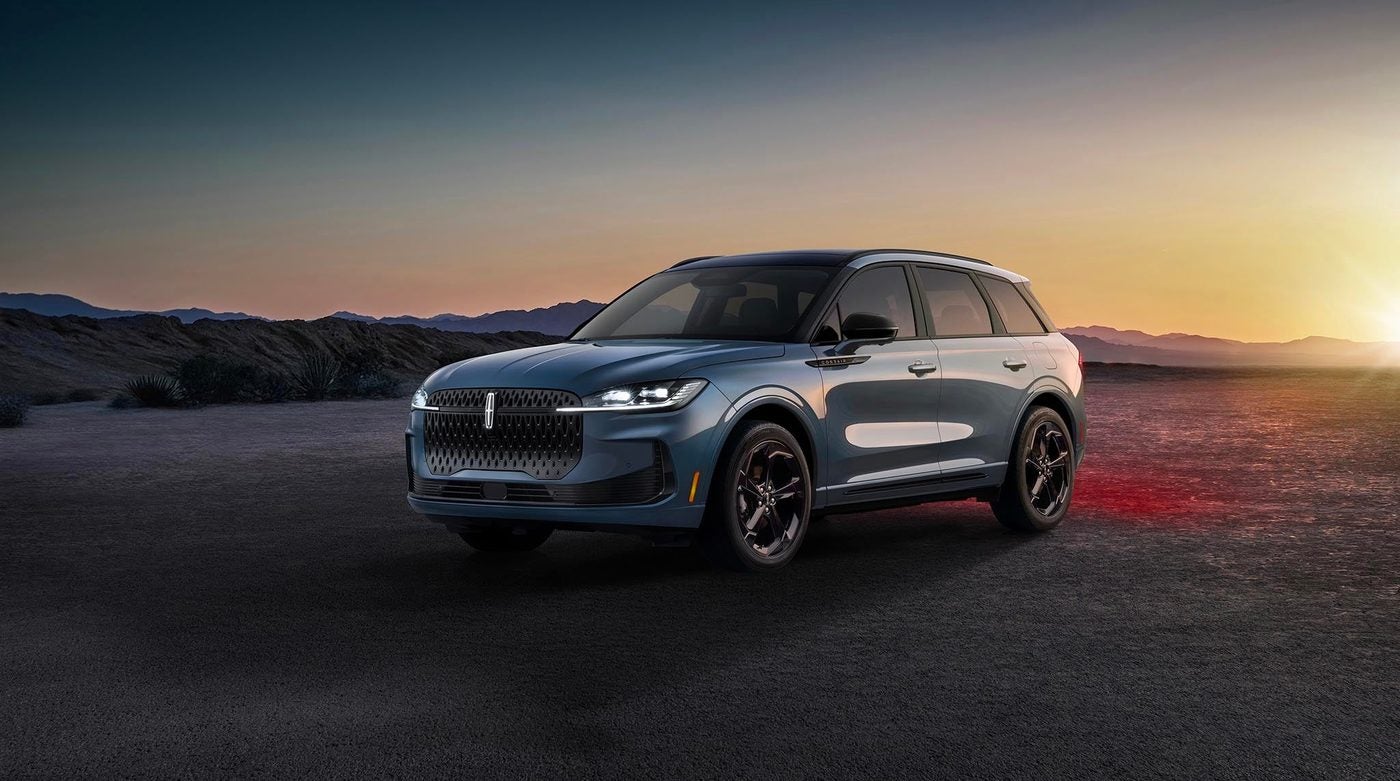
Blue gray Lincoln Corsair with headlights on parked on a desert road at sunset

Lincoln Corsair vs. Genesis GV70: Which Compact Luxury SUV Fits Your St. Louis Commute?

Compare  |  St. Louis, MO How to pick between the Lincoln Corsair and the Genesis GV70 by the parts of your week that repeat. Compact luxury SUV shoppers in St. Louis tend to land on the same two names: the Lincoln Corsair and the Genesis GV70. Both fit city streets and suburban driveways, and both try to feel like a step up from a regular crossover. The difference shows up in your actual week. We sell the Lincoln Corsair, and we'd like you to drive the Genesis GV70 at a Genesis showroom too. Below is how a household in Clayton, Brentwood, or Creve Coeur can sort it out without a spec sheet. Quick answer: Test the parts of your week that repeat: tight parking, the stretch of highway you drive most, how the cabin feels at the end of a long day, and how easy the tech is to use. Drive the Lincoln Corsair and the Genesis GV70 on the same route, then compare ownership and service before you decide. Size Both compact Test first Parking and ride Our advice Drive both, same route In this post Parking Cabin Ride Technology Ownership Test drive Which Is Easier to Park: the Lincoln Corsair or the Genesis GV70? If your day includes a garage in Clayton, a parking deck off Brentwood Boulevard, or a tight lot in Frontenac, parking matters more than most things on a brochure. Both are compact for SUVs, but how they feel from the driver's seat depends on visibility, mirror placement, and the camera views. Back each one into a space you use often. Notice how well you can see over your shoulder and how clear the camera image is. If the dealer allows a longer test, try your own garage. A vehicle that clears with room to spare is one you'll enjoy every day. Don't skip the blind spots. Which Cabin Feels Better for Your Daily Drive? Cabin feel is personal, and this is where brand character shows. The Lincoln Corsair leans toward a calm, quiet, comfort first interior. The Genesis GV70 has its own design personality, and many shoppers find the cabin more dramatic and sporty. Sit in each one with the seat set the way you drive. Pay attention to the materials you touch most, how supportive the seat feels after twenty minutes, and whether the layout is relaxing or busy. Bring a passenger and ask what they notice. Don't rush it. How Do Comfort and Ride Feel on Real St. Louis Roads? Brochure language about ride all sounds alike. Roads don't. Drive both over pavement you already know, like a patched stretch of Manchester Road or a ramp on I-64, and see how much each one lets you feel. St. Louis driver tip Pick a route you drive every week and use it for both test drives. Your own commute, with the audio off, will tell you more about road noise and ride than any loop the dealer picks for you. Listen as much as you feel. A quieter highway cruise matters on a commute, and the difference between the Lincoln Corsair and the Genesis GV70 is easier to judge on the same road than from memory a week later. See the Lincoln Corsair Browse New Lincoln Inventory Which Technology Is Easier to Use Every Day? Features matter less than whether you can use them without thinking. Try the same tasks in each one: pair your phone, enter a destination, change the climate settings, and adjust the seat and mirrors. Notice what takes one tap and what takes three. The system you can run at a stoplight without frowning is the one you'll still like after a year, whether you pick the Lincoln Corsair or the Genesis GV70. What Should You Expect From Ownership and Service? A vehicle is more than the drive. Ask each dealer how service appointments work, whether loaner or shuttle options exist, and what ownership programs apply to the exact vehicle. Programs change, and what a friend got last year may not apply, so get the answers in writing for the Genesis GV70 and the Lincoln Corsair alike. Distance counts too. A service department that's easy to reach from home or the office feels like a perk every time you need it. Our team at Dave Sinclair Lincoln St. Louis can explain how Lincoln ownership works for your vehicle. How Should You Test Drive Both? Schedule both drives close together, ideally the same day, and use the same route. Include a highway merge, a parking space, and a stretch of bumpy pavement. Bring what you carry most, like a stroller, golf clubs, or a work bag. Don't let anyone hurry you. Write down what you notice before anyone talks price. Then ask yourself which one you looked forward to getting back into. Lincoln Corsair Fits you if You want a calm, quiet, comfort first cabin You like having Lincoln service in Ballwin You'd rather relax than feel sporty on the commute Genesis GV70 Fits you if You like a more dramatic, sporty cabin look You're comfortable with service at a Genesis retailer You want to see a different design personality The Sinclair Promise If you don't love your car within seven days or 500 miles, bring it back. No questions asked. It's how Dave Sinclair built this store, and it still stands. Read the Sinclair Promise Questions Shoppers Ask About the Lincoln Corsair and Genesis GV70 Is the Lincoln Corsair a direct competitor to the Genesis GV70? They're close in size and aimed at similar shoppers, so a lot of people compare them. Each takes a different approach to cabin character and driving feel, which is why driving both matters. Which is better for a city commuter, the Lincoln Corsair or the Genesis GV70? It depends on your commute. Compare visibility, ride on rough pavement, and ease of parking on your own route. The one that makes the daily trip calmer for you is the better fit. What do shoppers like most about the Genesis GV70? Shoppers often point to its design and sporty cabin styling. It's worth seeing in person. Judge for yourself, then compare it with the Lincoln Corsair on the points that matter in your week. Questions Shoppers Ask About Parking and Size How do I test parking fairly? Use a space you park in often. Back in, pull in, and check what you see through the mirrors and cameras. Don't skip a tight turn at a garage entrance. Will either SUV fit in an older garage? Measure your garage opening and depth at home, then check that against what the dealer can confirm for the exact vehicle. Mirrors and door swing matter as much as length. Do camera systems make a difference? Clear camera views make tight parking easier, and they differ in sharpness and layout. Try them in daylight and in a dim garage, since they can look different in each. Questions Shoppers Ask About Comfort and Technology How can I judge which cabin is quieter? Drive both on the same stretch of I-64 or I-44 at highway speed with the audio off. Wind, road, and tire noise are easier to compare back to back than from memory. How do I compare the infotainment systems fairly? Run the same list of tasks in each: connect a phone, set a destination, change the climate, and use voice commands. Note which one feels easier without a manual. You shouldn't need one. What should I check about seat comfort? Spend more than a few minutes in each seat. Adjust it fully, then notice your back and legs after twenty minutes on the road. Check the rear seat too if you carry passengers. Questions Shoppers Ask About Ownership and Service What should I ask about maintenance and warranty? Ask what coverage applies to the specific vehicle, what it includes, and what it leaves out. Get the answers in writing from each dealer, since programs can change over time. How do I compare service experiences? Ask about appointment availability, loaner or shuttle options, and how drop off works. Read recent customer reviews of each service department too, and look for patterns. Does resale value matter in this decision? It can, especially if you trade every few years. Ask your advisor about trade values and look at how similar vehicles are priced on the used market before you commit. Questions Shoppers Ask About Buying at Dave Sinclair Lincoln St. Louis Can I test drive a Lincoln Corsair at Dave Sinclair Lincoln St. Louis? Contact our team to set up a time, and tell us which trim or features you want to try so the right Lincoln Corsair is ready when you get here. Can I trade in my current vehicle? Yes. We'll appraise your current vehicle and apply its value toward your next one. Bring the title or loan details if you still owe money on it. How do I start the financing process? Start with the credit application on our website before you visit, then go over loan and lease options with our finance team. Having your trade details ready speeds things up. Have a Trade to Consider? Find out what your current vehicle is worth. Value Your Trade Planning Your Budget? Start the credit application before you visit. Get Approved Keep reading: Still sorting out which Lincoln fits your life? Read how to pick the right Lincoln SUV for your lifestyle.

Lincoln Mobile Pick Up And Delivery

Why Is Lincoln Ownership Different Than Other Luxury Brands?

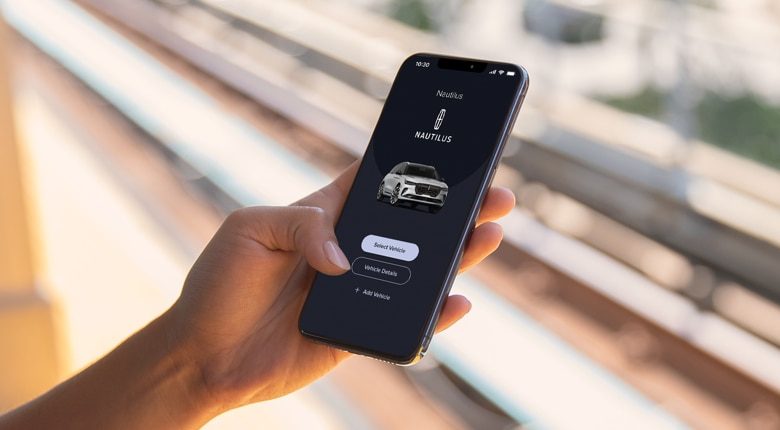
What Makes Lincoln Ownership Different? More Than Just Driving a Luxury SUV Owning a luxury SUV should feel different long after the first test drive. The real value should show up on a Monday morning commute along I-64, during a rainy afternoon on I-270, on the way to dinner in Clayton, or while loading luggage for a weekend trip to Lake of the Ozarks. That is where Lincoln ownership stands apart. A Lincoln is not only designed to look refined in the driveway. It is designed to make the everyday experience of driving, servicing and living with a luxury vehicle feel calmer, easier and more personal. For St. Louis drivers, that matters. Luxury here is not just about pulling up to a restaurant in Ladue or Frontenac. It is also about getting through construction traffic near Brentwood, driving to Lambert International Airport before sunrise, taking family to Forest Park, or making a long highway trip across Missouri feel less tiring. At Dave Sinclair Lincoln St. Louis, we believe Lincoln ownership should be understood as a full experience. The vehicle matters, of course. But so does the way the vehicle supports your daily routine, how service fits into your schedule, how technology simplifies ownership, and how the cabin makes you feel after an hour behind the wheel. This guide looks at what makes owning a Lincoln different after the purchase, from quiet luxury and advanced technology to Lincoln Pickup & Delivery, connected services and long-term ownership comfort. Luxury Does Not End When You Leave The Dealership Many luxury shoppers focus heavily on the buying experience. That is understandable. The showroom, the test drive, the feature demonstration and the final decision all matter. But true luxury ownership begins after delivery. The question is not only, “Which SUV feels impressive today?” The better question is, “Which SUV will make my life easier over the next several years?” That is where Lincoln takes a different approach. The brand is built around comfort, quietness and personal service. Whether you choose a Lincoln Corsair, Nautilus, Aviator or Navigator, the ownership experience is designed to reduce friction in small but meaningful ways. Those small details become important over time: A cabin that feels calm during traffic Seats that remain comfortable on longer drives Technology that helps without overwhelming you Service options designed around your schedule Driver-assist features that support highway confidence Connected tools that keep ownership more convenient For many St. Louis Lincoln owners, those details are what create loyalty. A vehicle can make a strong first impression, but ownership is built through repeated daily experiences. The quieter commute. The easier service visit. The more relaxed road trip. The confidence that comes from knowing your SUV was designed around comfort, not just transportation. Lincoln Is Designed To Reduce Stress One of the clearest differences between Lincoln and many other luxury brands is the way Lincoln defines performance. Some luxury vehicles put most of their personality into speed, stiffness or aggressive styling. Lincoln takes a more relaxed approach. It focuses on quietness, smoothness, comfort and atmosphere. That does not mean Lincoln vehicles lack power. The Lincoln Navigator, Aviator, Nautilus and Corsair each serve different driving needs. But the larger brand philosophy is not about making every drive feel like a performance event. It is about making every drive feel more composed. For St. Louis drivers, that can make a real difference. A commute from Chesterfield to Clayton can be busy. A drive through Kirkwood, Webster Groves or the Central West End can involve tight streets, frequent stops and unpredictable traffic. A trip across I-70 or I-44 can mean long stretches where comfort matters more than acceleration. Lincoln’s idea of quiet luxury shows up in several ways: Cabin quietness: A calmer interior helps reduce road noise and outside distraction. Ride quality: Lincoln SUVs are tuned to feel smooth and composed during daily driving. Seat comfort: Supportive seating matters on longer commutes and road trips. Interior design: Clean layouts and premium materials help the cabin feel peaceful. Driver-assist technology: Available features can help reduce fatigue during highway driving. This is why a Lincoln can feel different even before you study the feature list. The experience is not loud. It is not trying to prove something at every stoplight. It is designed to help you settle in. That may sound subtle, but it is one of the biggest reasons people stay with Lincoln. When a vehicle makes routine driving feel less tiring, that benefit becomes more valuable the longer you own it. Technology That Works For Everyday Life Modern luxury vehicles are filled with technology, but more technology does not always mean a better ownership experience. The difference is whether the technology makes daily life easier. Lincoln’s most useful features are designed around convenience, comfort and confidence. Instead of feeling like gadgets added for attention, the best Lincoln technologies support how people actually use their vehicles. Lincoln BlueCruise Available Lincoln BlueCruise is one of the clearest examples. On compatible mapped highways, BlueCruise can provide hands-free highway driving assistance while the driver remains attentive and ready to take control. For St. Louis drivers who regularly use I-64, I-270, I-44, I-55 or I-70, that can help reduce the repetitive effort of highway driving. BlueCruise is not self-driving. It is driver assistance. But when used correctly, it can make longer highway trips feel more relaxed and help reduce fatigue on compatible roads. The Lincoln App The Lincoln app is another major part of the ownership experience. Depending on vehicle equipment and connectivity, it can help owners access remote features, vehicle information, service scheduling and ownership tools from a smartphone. Lincoln also notes that the app can be used to schedule Lincoln Pickup & Delivery where available, creating a more convenient service experience for eligible vehicles. For a busy owner, that matters. If you are balancing work in Clayton, family schedules in Webster Groves, airport travel, school events or weekend plans, the ability to manage parts of your ownership experience from your phone can save time. Software Updates Lincoln also supports software updates on equipped vehicles. Lincoln states that automatic software updates can be adjusted through the touchscreen or Lincoln app, and that vehicles may arrive with automatic updates enabled. For owners, the value is simple: certain vehicle features, capability and convenience items may improve over time through updates when supported by the vehicle. That is a different way to think about luxury ownership. The vehicle is not only the feature set it had on the day you bought it. In certain cases, it can continue receiving improvements that support the ownership experience. Phone As A Key And Connected Convenience On properly equipped Lincoln vehicles, features such as Phone As A Key and connected services can further simplify daily use. These tools can reduce the need to always think about a traditional key, help owners manage vehicle access and keep important information close at hand. Not every feature is available on every model, trim or model year, so it is important to confirm equipment on the exact Lincoln you are considering. But the larger point is clear: Lincoln technology is most valuable when it feels natural in your routine. Lincoln Pickup & Delivery Changes The Service Experience One of Lincoln’s strongest ownership differentiators is Lincoln Pickup & Delivery. For many owners, this is the feature that changes how luxury service feels. Instead of building your day around a service appointment, Lincoln Pickup & Delivery is designed to help service fit around your day. When eligible and available through a participating Lincoln retailer, your vehicle can be picked up, taken in for service and returned to you. Lincoln also describes the experience as including another Lincoln vehicle to drive in the meantime when applicable. Lincoln currently notes that complimentary Lincoln Pickup & Delivery service is available on vehicles within the 4-year/50,000-mile new-vehicle limited warranty, subject to retailer availability and program details. Because programs can change, it is always smart to confirm current eligibility and availability with Dave Sinclair Lincoln St. Louis when scheduling service. For a St. Louis owner, the benefit is easy to understand. You may not want to rearrange a workday in Creve Coeur, drive across town during lunch, or spend your morning waiting at a service department. Pickup & Delivery can make routine maintenance feel more consistent with the luxury experience you expected when you bought the vehicle. This is where Lincoln ownership becomes less about the vehicle alone and more about time. Saving time, reducing inconvenience and making service feel easier are all part of the long-term value of owning a Lincoln. Owning A Lincoln Through Missouri Seasons St. Louis weather gives luxury SUVs plenty to deal with. A Lincoln owner may experience humid summer afternoons, cold winter mornings, spring rain, fall road trips, construction delays and long highway stretches all in the same year. That is why long-term ownership is not just about how a vehicle feels on a perfect test-drive day. It is about how it supports you through real Midwest driving. In winter, a quiet cabin, confident traction, available heated seating and driver-assist technology can make early commutes feel more manageable. In summer, ventilated seating, remote features and a comfortable interior can make a major difference when your vehicle has been sitting outside near Forest Park, Clayton, The Hill or a Cardinals game downtown. For longer trips, Lincoln comfort becomes even more important. A drive from St. Louis to Lake of the Ozarks, Columbia, Chicago or Kansas City can reveal whether an SUV is truly built for long-distance ownership. Seat support, cabin noise, cargo room, highway stability and technology all matter more after several hours on the road. That is one reason Lincoln ownership works well for drivers who want their vehicle to feel relaxed year-round. Whether you drive a Corsair, Nautilus, Aviator or Navigator, the larger goal is the same: make daily driving and seasonal travel feel easier. What Costs Can Lincoln Owners Expect? Luxury ownership should be exciting, but it should also be understood clearly. Before buying any premium SUV, shoppers should think about the full ownership picture, including maintenance, tires, insurance, fuel, warranty coverage and long-term service needs. Lincoln ownership costs can vary depending on the model, mileage, driving habits, warranty status and how the vehicle is maintained. A Corsair will not have the same ownership profile as a Navigator. A daily commuter may have different service needs than someone who drives mostly short local trips. A family using an Aviator for road trips may think about tires, brakes and routine maintenance differently than someone using a Nautilus as a personal commuter SUV. Important ownership cost categories include: Scheduled maintenance: Oil changes, filters, inspections and routine service help protect long-term performance. Tires: Luxury SUVs often use larger wheels and premium tires, so tire replacement should be part of the ownership plan. Brakes: Driving style, traffic and vehicle size can affect brake wear over time. Fuel: Model choice, engine, hybrid availability and driving habits all influence fuel costs. Insurance: Premium vehicles can carry different insurance costs depending on model and coverage. Warranty coverage: New Lincoln vehicles include warranty protection, and Certified Pre-Owned Lincoln vehicles may include additional coverage benefits. The key is not to make ownership sound complicated. It is to make ownership feel predictable. A Lincoln owner who understands maintenance schedules, feature availability and service options is more likely to enjoy the vehicle long-term. Dave Sinclair Lincoln St. Louis can help owners stay current with routine care through our Lincoln service department. Keeping up with maintenance is one of the simplest ways to protect the comfort, performance and confidence that made you choose Lincoln in the first place. How To Get The Most From Your Lincoln One of the best ways to enjoy Lincoln ownership is to take time to learn the vehicle after delivery. Many owners only use a portion of what their SUV can do. A better delivery process and a little practice can make the vehicle feel more personal and more useful every day. Start with your driver settings. Seat memory, mirror position, display preferences, drive modes, audio settings and phone pairing all affect how the vehicle feels. When these are set correctly, your Lincoln starts to feel tailored to you. Next, learn the technology that supports your routine. If your Lincoln is equipped with BlueCruise, understand where it works, how it alerts you and when you need to take control. If your Lincoln supports connected features through the Lincoln app, learn how to use remote tools, service scheduling and vehicle information. Also think about how you actually use the SUV. A Navigator owner may want to learn cargo and seating configurations for family travel. An Aviator owner may focus on third-row access and passenger comfort. A Nautilus owner may spend more time personalizing the display and driver-assist settings. A Corsair owner may care most about daily convenience and maneuverability. Helpful ownership habits include: Reviewing technology features shortly after delivery Setting up the Lincoln app Saving preferred seat and mirror positions Learning available driver-assist features Understanding scheduled maintenance intervals Checking tire condition before long trips Scheduling service before seasonal travel Luxury ownership improves when the vehicle feels familiar. The more you understand your Lincoln, the more naturally it supports your life. Why Many Lincoln Owners Stay With Lincoln Lincoln loyalty is often built through quiet, repeated experiences rather than one dramatic feature. A driver may first choose Lincoln because of the design, the cabin, the ride or the value. But many owners stay because the vehicle continues to make daily life feel easier. That long-term appeal comes from the way Lincoln combines comfort, technology and service. A quiet ride matters every day. Comfortable seats matter every week. Convenient service matters every time maintenance is due. Technology that works naturally becomes something you rely on instead of something you ignore. For St. Louis owners, that can be especially valuable. The same Lincoln SUV may need to feel polished for a dinner in Clayton, practical for family errands in Kirkwood, comfortable for highway miles on I-64 and refined enough for business travel or airport pickups. Lincoln’s strength is that it can support all of those roles without feeling overly aggressive or complicated. That is why many owners do not describe Lincoln only in terms of specifications. They describe how it feels. Calm. Quiet. Comfortable. Easy. Personal. Those are ownership qualities that become more important with time. Experience Lincoln Ownership At Dave Sinclair Lincoln St. Louis Choosing a Lincoln is not only about selecting a luxury SUV. It is about choosing the ownership experience that comes with it. From the way the vehicle drives to the way service fits into your schedule, Lincoln is designed to make luxury feel more personal and more useful. At Dave Sinclair Lincoln St. Louis, our team can help you compare Lincoln models, understand ownership benefits, review technology features and choose the SUV that fits your life in St. Louis. Whether you are considering a Corsair, Nautilus, Aviator or Navigator, we can help you look beyond the test drive and think about what ownership will feel like over time. You can start by browsing our new Lincoln inventory, reviewing Lincoln finance options, or scheduling service through our Lincoln service department. A Lincoln should feel special the day you buy it. The real difference is that it should still feel special years later. Questions About Lincoln Ownership Is Lincoln expensive to maintain? Lincoln maintenance costs depend on the model, mileage, driving habits, warranty status and service history. As a luxury brand, Lincoln ownership may include costs associated with premium tires, advanced technology, larger wheels and higher-end components, especially on models like the Aviator and Navigator. That does not mean Lincoln ownership has to feel unpredictable. Routine maintenance, proper tire care, regular inspections and using a Lincoln service department can help owners manage long-term costs. Shoppers should also consider warranty coverage, Certified Pre-Owned options and how long they plan to own the vehicle. How long do Lincoln SUVs typically last? A Lincoln SUV can last many years when properly maintained. Longevity depends on routine service, driving habits, climate, mileage, storage, repairs and how the vehicle is used. A Navigator used for frequent family travel may have different wear patterns than a Corsair used primarily for commuting around St. Louis. The best way to support long-term ownership is to follow recommended maintenance, address issues early, keep tires and brakes in good condition and work with a service team that understands Lincoln vehicles. Like any premium SUV, the ownership experience improves when the vehicle is cared for consistently. Does Lincoln offer complimentary maintenance? Lincoln programs can vary by model, model year, ownership status and current offers, so shoppers should confirm current benefits with Dave Sinclair Lincoln St. Louis. Lincoln Pickup & Delivery may be complimentary for eligible vehicles within the new-vehicle limited warranty period, subject to program rules and retailer availability. Some Lincoln ownership benefits may also vary between new, used and Certified Pre-Owned vehicles. Before purchasing, it is smart to ask which maintenance, warranty, pickup and delivery, roadside assistance or service benefits apply to the exact Lincoln you are considering. What is Lincoln Pickup & Delivery? Lincoln Pickup & Delivery is a service experience designed to make maintenance more convenient. When available and eligible, your Lincoln can be picked up, taken to the dealership for service and returned to you afterward. Depending on the situation and program details, another Lincoln vehicle may be provided for you to drive while your vehicle is being serviced. For busy St. Louis owners, this can be one of the most valuable parts of Lincoln ownership. It helps reduce the time and inconvenience often associated with service visits, which makes the ownership experience feel more aligned with the luxury vehicle itself. Can my Lincoln receive software updates? Many modern Lincoln vehicles support software updates, depending on model, model year, equipment and connectivity. These updates may help improve certain features, systems or vehicle functions over time when available. Owners may be able to manage update settings through the vehicle touchscreen or Lincoln app on properly equipped vehicles. This is one reason it is helpful to set up connected services after delivery. A Lincoln that is properly configured can be easier to manage, easier to update and easier to understand throughout ownership. Is Lincoln a good long-term luxury vehicle? Lincoln can be a strong long-term luxury choice for drivers who value comfort, quietness, technology and a more relaxed ownership experience. The brand is especially appealing to shoppers who want refinement without an overly aggressive driving personality. For St. Louis drivers, Lincoln SUVs can fit a wide range of lifestyles, from daily commuting and family errands to airport travel, weekend trips and long highway drives. The strongest long-term fit comes from choosing the right model for your needs and maintaining it properly through a Lincoln service department.

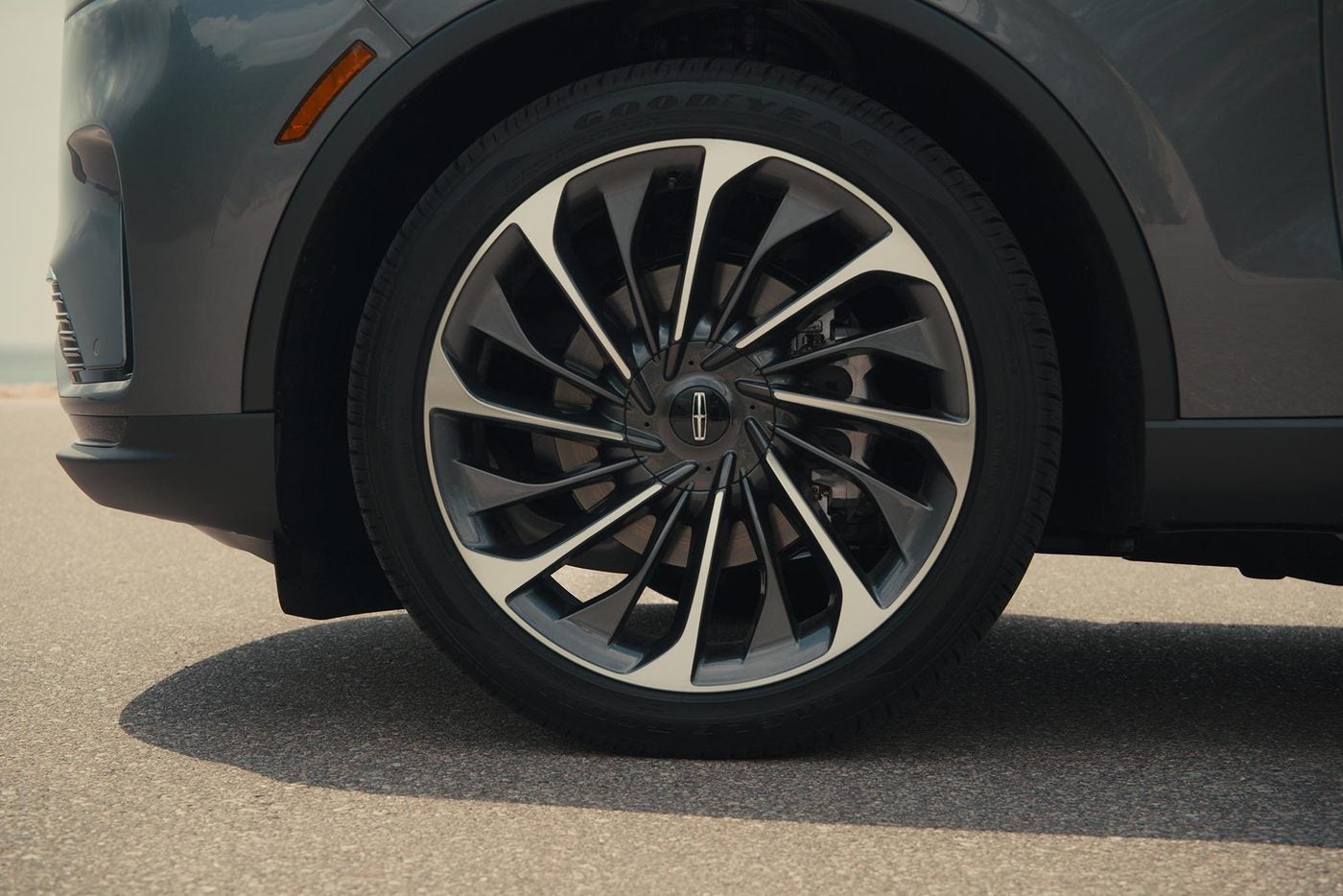
Front wheel and fender of a gray Lincoln Aviator on pavement

Wheel Alignment Near Me: Pothole Season and Your Lincoln in St. Louis

Service  |  St. Louis, MO How to tell if your Lincoln needs an alignment after pothole season, and what to tell the advisor when you call. Every March it goes the same way around St. Louis. A hard freeze, a quick thaw, then a fresh crop of potholes on Manchester Road and the I-64 ramps. You hit one you couldn't dodge, the steering wheel jerks, and for the next few miles you wonder if something just changed. If you've been searching "wheel alignment near me," this covers what a bad alignment feels like, what an alignment does, what a pothole can do to your Lincoln, and how to describe the problem so our team finds it fast. Quick answer: A Lincoln that pulls to one side, a steering wheel that sits off center on a straight road, or tires that wear unevenly are the classic signs of an alignment problem. Potholes and curbs are common causes. Getting it checked early protects your tires and keeps the vehicle tracking straight. Common cause Potholes and curbs Classic sign A pull to one side Protects Your tires In this post The signs What alignment does Potholes Tire life Alignment or balance What to tell the advisor What Are the Signs Your Lincoln Needs an Alignment? Most alignment trouble shows up in how the vehicle drives. Watch for these: A pull to one side The vehicle drifts on a flat, straight road when you loosen your grip. A crooked steering wheel The wheel sits off center while you're driving straight. Uneven tire wear One edge of a tire wears faster than the other. Loose steering The steering wanders or doesn't settle back to center after a turn. A gentle squeal A tire squeals softly in ordinary turns. Crowned roads can pull any vehicle slightly toward the shoulder, so try a few different roads before you decide. If the pull follows you everywhere, it's worth a look. What Does a Wheel Alignment Do for Your Lincoln? Alignment is the setup of the wheels so they point the same direction and meet the road flat and square. When it's right, the vehicle tracks straight, the steering returns to center, and each tire carries its share of the work. A technician measures the current settings, compares them with what the manufacturer calls for, and adjusts whatever has drifted. You get a straighter, calmer drive and a clear record of what was found. Can a Pothole Knock Your Lincoln Out of Alignment? Yes, and it doesn't take a dramatic hit. A sharp jolt from a frost heaved pothole can nudge suspension parts enough to change how the wheels sit. Curbs, railroad crossings, and the broken edges on ramp pavement do the same thing. St. Louis driver tip If you hit something hard, don't wait to see whether the feeling goes away. A bigger impact can bend a wheel, bruise a tire sidewall, or stress a suspension part, and none of that fixes itself. Have it looked at, and tell the advisor roughly when and where it happened. Schedule Lincoln Service Tire Care Advice How Does Alignment Affect Tire Life? Tires wear evenly only when they meet the road evenly. If the wheels point slightly the wrong way, the tread scrubs against the pavement instead of rolling, and the edge of the tire pays for it. The wear often starts on the inside or outside shoulder, where it's easy to miss. That's why alignment and tires belong in the same conversation. A tire that wears out early because of alignment costs real money, and a new set on a vehicle that's still out of alignment can start the same wear all over again. Is It Alignment, or Do Your Tires Need Balancing? The two get mixed up all the time. Balance is about weight being spread evenly around the tire and wheel. When it's off, you usually feel a vibration through the steering wheel or the seat at highway speed. Alignment is about direction. When it's off, you feel a pull or a crooked wheel, or you see uneven wear. Some vehicles have both problems after a hard pothole hit, which is one more reason to describe exactly what you feel. Alignment is about direction. What Should You Tell the Service Advisor? The more specific you are, the faster the technician can narrow it down. Tell your advisor: Which direction the vehicle pulls and whether it happens on every road Where the steering wheel sits when you're driving straight Whether you hit a pothole or curb and roughly when Whether you feel a vibration, and at what speed Whether you've noticed uneven wear on the tires Ask for a tire inspection at the same visit. The tires keep a record of what the alignment has been doing, and a quick look at the tread can show whether the problem has been building for a while. Book it your way Schedule online, in the Lincoln app, or call us at 314-729-2700. Pickup and Delivery is complimentary for vehicles within the new vehicle limited warranty, so we can come get the car while you stay at work. See Pickup and Delivery Questions Drivers Ask About Alignment Symptoms Why does my Lincoln pull to one side? A steady pull on a flat road usually points to an alignment issue, though uneven tire pressure or a worn tire can cause it too. Check your pressures first, then have a technician look at the alignment and the tires together. Why is my steering wheel crooked when I drive straight? The steering wheel and the road wheels have drifted out of agreement, which is a common result of a pothole or curb hit. The fix is an alignment, and the technician will set the wheel back to center as part of it. Can uneven tire wear come from alignment? It's one of the most common causes. Tread that wears on one edge, or in a feathered pattern, often traces back to wheel direction. Rotation and pressure matter too, so a tire inspection helps sort out the cause. Questions Drivers Ask About Potholes and Winter Driving Should I get an alignment after hitting a pothole? If the vehicle pulls, the wheel sits off center, or you just hit something hard, yes, get it checked. Even a hit that seems minor can shift the settings, and checking early costs less than replacing a worn tire. Why are potholes so common in March around St. Louis? Water gets into cracks, freezes, expands, and then thaws, which breaks up the pavement. Our winters swing above and below freezing often, so late winter leaves heavily patched roads from Manchester Road to the interstate ramps. Can a curb hit cause the same trouble? It can. Scraping or bumping a curb while you park or turn can move suspension parts just like a pothole does. Tell the advisor about it, since it helps explain what the technician finds. Questions Drivers Ask About Alignment and Tires Will an alignment fix a vibration? Not usually. A vibration at highway speed more often points to wheel balance or a damaged tire. A technician can check balance and alignment in the same visit if you aren't sure which one you have. Should I have alignment checked when I buy new tires? It's a smart habit. New tires deserve to start on a vehicle that tracks straight, and an alignment check protects what you just spent. Ask your advisor to look at it when the tires go on. Does poor alignment shorten tire life? It can, sometimes by a lot. Tires that scrub instead of roll lose tread faster, and the wear is uneven, which can make a set unusable before the tread is gone across the whole tire. Questions Drivers Ask About the Service Visit What does an alignment appointment involve? A technician measures where the wheels sit, adjusts what's out of position, and often inspects steering and suspension parts for wear or damage that would keep the setting from holding. You get a summary of what was found. How long does an alignment visit take? It depends on the vehicle, what the inspection finds, and how busy the shop is. Your service advisor can give you a realistic window when you schedule. Is alignment covered by my Lincoln warranty? Coverage varies by situation and by vehicle, so check before you assume either way. Ask your advisor to review your warranty and any service plan for your vehicle. Questions Drivers Ask About Scheduling at Dave Sinclair Lincoln St. Louis How do I schedule alignment service at Dave Sinclair Lincoln St. Louis? Use the Lincoln service page on our website or call the service department at 314-729-2700. Mention the pull, the off center wheel, or the pothole so the right amount of time is set aside. What should I note before I bring my Lincoln in? Write down what you feel and when. Which way it pulls, the speed where the vibration starts, and any recent pothole or curb contact all help the technician work faster. How often should alignment be checked? There's no single interval for every driver. Follow your owner's guide and the Maintenance Schedule, and add a check after any hard impact or when you see uneven tire wear. Hit a Pothole Lately? Have a technician look before the tires pay for it. Visit Our Service Department Watching Your Budget? See which service offers are active right now. View Service Specials Keep reading: Warm weather brings the AC back into play. Read the signs your Lincoln needs AC service.

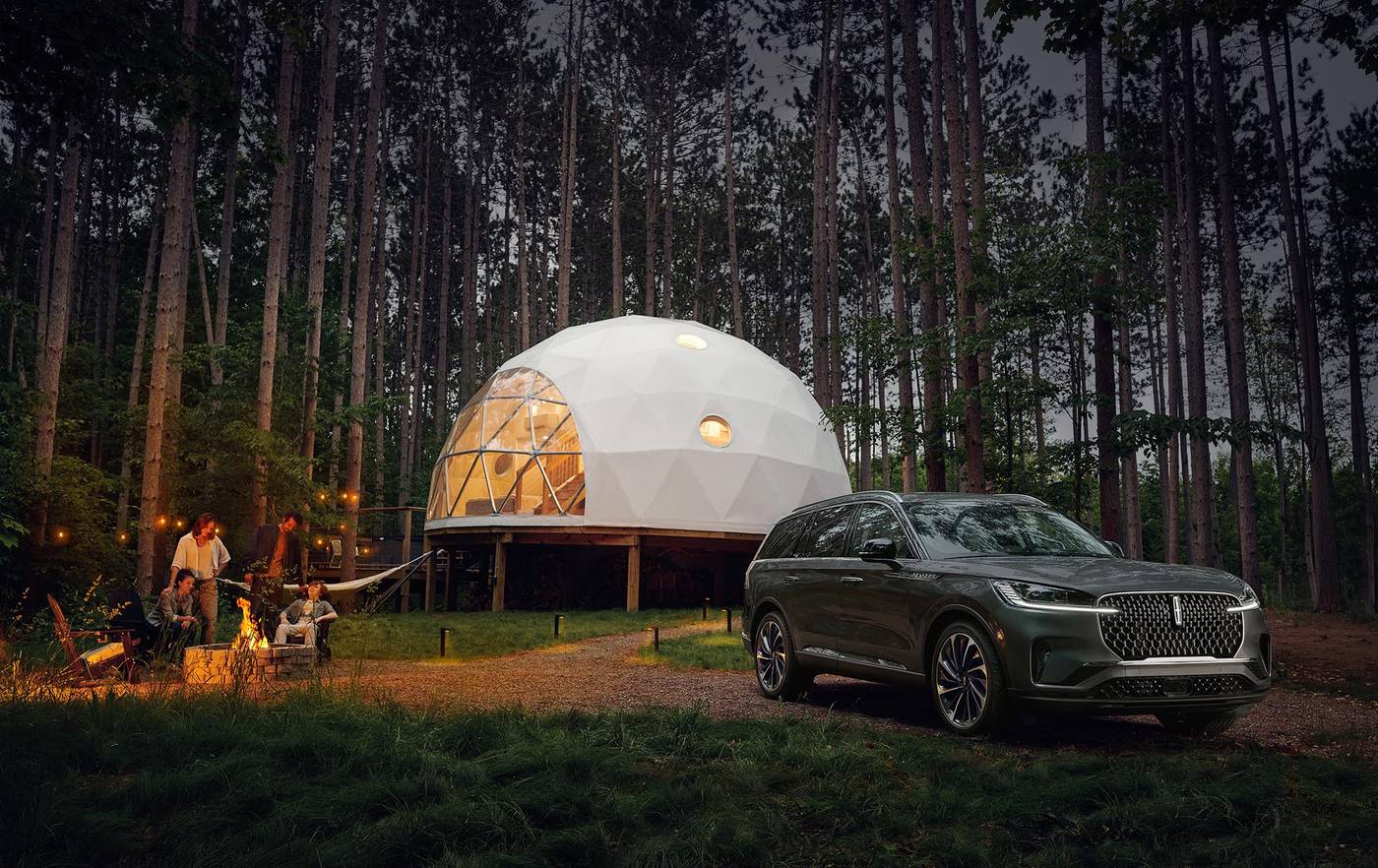
Lincoln Aviator parked beside a lit dome tent in a pine forest at dusk

Lease or Buy a Lincoln: How St. Louis Drivers Decide

Buying  |  St. Louis, MO Lease or buy a Lincoln? Five honest questions that point you to the right answer for how you drive. Plenty of drivers in Clayton, Kirkwood, and Chesterfield settle on a Lincoln long before they settle the harder question: lease or buy. Neither is right for everyone. The right one is the one that matches how you drive and how long you want to keep the vehicle. We're not going to pitch you either way. These are the questions we hear most from St. Louis shoppers, so you walk into the finance conversation knowing what you want. Quick answer: Leasing tends to suit drivers who stay within a set annual mileage, like a new vehicle every few years, and want to stay under warranty. Buying tends to suit drivers who rack up more miles, keep a vehicle for many years, or want to customize it and build equity. Terms vary by vehicle, credit, and program, and our finance team shows you the real numbers. Mileage Leases have an allowance Time How long you keep it Numbers Our finance team shows both In this post Miles per year How long you keep it New every few years Customizing and wear Equity Business use How Many Miles Do You Drive Each Year? Start with mileage, because it shapes everything else. A lease comes with an annual mileage allowance, and going over can cost you at the end. A buyer has no such limit. St. Louis driver tip Think about your real week. A short commute from Brentwood to Clayton looks nothing like daily trips on I-64 and I-44 plus weekends at Lake of the Ozarks. Add up an honest year before you decide. How Long Do You Keep a Vehicle? Some drivers know they'll want something different in a few years. Others keep a vehicle long past its warranty and enjoy not having a payment at all. Your habit here usually points to one side. If you swap vehicles on a regular cycle, leasing fits that rhythm. If you drive the same one for ten years, buying usually fits better. Do You Want a New Vehicle Every Few Years? A lease has real appeal: a current vehicle, current technology and driver assistance, and warranty coverage for most of the time you drive it. You get the newest features and you don't have to think about trade timing. Owning gives you a different kind of comfort. You decide when to replace the vehicle, and you can keep driving it after the warranty ends. Whether that's a plus depends on how you feel about maintenance and repairs over time. Browse New Lincoln Inventory Get Pre-Approved How Do Customization and Wear Change the Choice? A leased vehicle goes back at the end, so it needs to come back in reasonable shape. Dings, stained seats, and worn tires can lead to charges, and permanent modifications are a poor fit. If your household includes kids, dogs, or hauling gear, think about that honestly. If you want to personalize your Lincoln, or you just don't want to worry about wear, buying takes that off your mind. Add accessories, accept some wear, and drive it the way you like. What Does Equity Mean When You Own a Lincoln? When you buy and pay off a vehicle, you own something with value. That value can go toward your next vehicle through a trade, which is why many owners start by checking what their current one is worth. A lease builds no equity, since you return the vehicle at the end. If you plan to trade someday, keep up with maintenance and records. A well documented vehicle is easier to appraise, and condition counts for a lot in what a vehicle brings. How Does Business Use Change the Decision? Business use adds another layer. Some self employed drivers and business owners find that leasing and buying are treated differently on their taxes. We can't give tax advice, so talk to your accountant before you choose. Tell our finance team how the vehicle will be used too, since that can shape the paperwork. Whichever way you lean, write down your yearly miles, how long you plan to stay, and what matters most about the vehicle. Then ask the finance team to show you both paths for one Lincoln, side by side, so real numbers replace guesses. Leasing Fits you if You stay within a set yearly mileage You like a new vehicle every few years You want warranty coverage for most of your time with it Buying Fits you if You drive more miles or keep a vehicle for many years You want to customize it You want to build equity you can trade toward the next one The Sinclair Promise If you don't love your car within seven days or 500 miles, bring it back. No questions asked. It's how Dave Sinclair built this store, and it still stands. Read the Sinclair Promise Questions Shoppers Ask About Leasing What does a lease mean for monthly cost? A lease payment reflects the part of the vehicle's value you use during the term, plus other charges. Terms vary by vehicle, credit, and program, so our finance team shows you the real numbers for the Lincoln you choose. What happens at the end of a lease? Usually you return the vehicle, and it's inspected for mileage and wear. Then you can lease or buy another one, or purchase the one you drove. Read your lease paperwork well before the date so the options are clear. Can I leave a lease early? Ending a lease early can carry costs, and the details depend on your contract. If your situation might change, bring it up with the finance team before you sign so you know your options. Questions Shoppers Ask About Buying What does owning a Lincoln give me that leasing does not? Ownership means no mileage allowance, freedom to customize, and the choice to keep driving after the payments end. It also means you handle maintenance and repairs after the warranty period. Should I buy if I drive a lot of miles? High mileage drivers often lean toward buying, since a lease allowance can run out fast. If you're close to the line, tell the finance team your real yearly driving so the options fit. Is buying cheaper over the long run? It can be for drivers who keep a vehicle many years, since the payments eventually end. The answer depends on the term, your credit, repair costs, and how long you stay, so compare both paths with real quotes. Questions Shoppers Ask About Money and Terms What affects the terms I am offered? Credit history, the specific vehicle, the program in effect, and how much you put down all play a part. Our finance team can go over these with you and explain how each one moves the offer. Do current lease programs change? They do, and they differ by vehicle. This guide doesn't quote any program. Check the new specials page or ask our team what's available for the Lincoln you have in mind. Should I get pre-approved before I visit? It helps. A pre-approval gives you a clearer sense of what fits and speeds up the visit. Use the approval page on our website and bring questions about both lease and purchase. Questions Shoppers Ask About Trade-Ins and Equity Can I trade in my current vehicle toward a lease? In many cases the value of your current vehicle can be applied toward a new lease or a purchase. We'll appraise it and explain how the value would be used in each case. What if I owe more than my vehicle is worth? That's called negative equity, and it's more common than people expect. Bring your loan details so the finance team can explain how it might be handled in a new deal. How do I find out what my vehicle is worth? Start with the trade appraisal page on our website, then have our team look at the vehicle in person. Condition, mileage, and local demand all affect what a vehicle brings. Questions Shoppers Ask About Next Steps How do I compare lease and purchase for one vehicle? Pick one Lincoln, then ask for both options in writing with the same down payment and trade value. Compare them against how long you plan to keep the vehicle and how many miles you drive. Can I switch from leasing to buying later? Often you can purchase the vehicle at the end of a lease, or move into a purchase of another one. Read the purchase option in your contract so you know how it works. How do I get started at Dave Sinclair Lincoln St. Louis? Browse the new Lincoln inventory, then contact our team or start the approval process online. Tell us what you drive now, how many miles you cover, and how long you usually keep a vehicle. Have a Vehicle to Trade? Find out what your current vehicle could bring toward the next one. Value Your Trade Watching for Offers? See which new vehicle offers are active right now. View New Specials Keep reading: Still deciding which Lincoln fits your life? Read how to pick the right Lincoln SUV for your lifestyle.

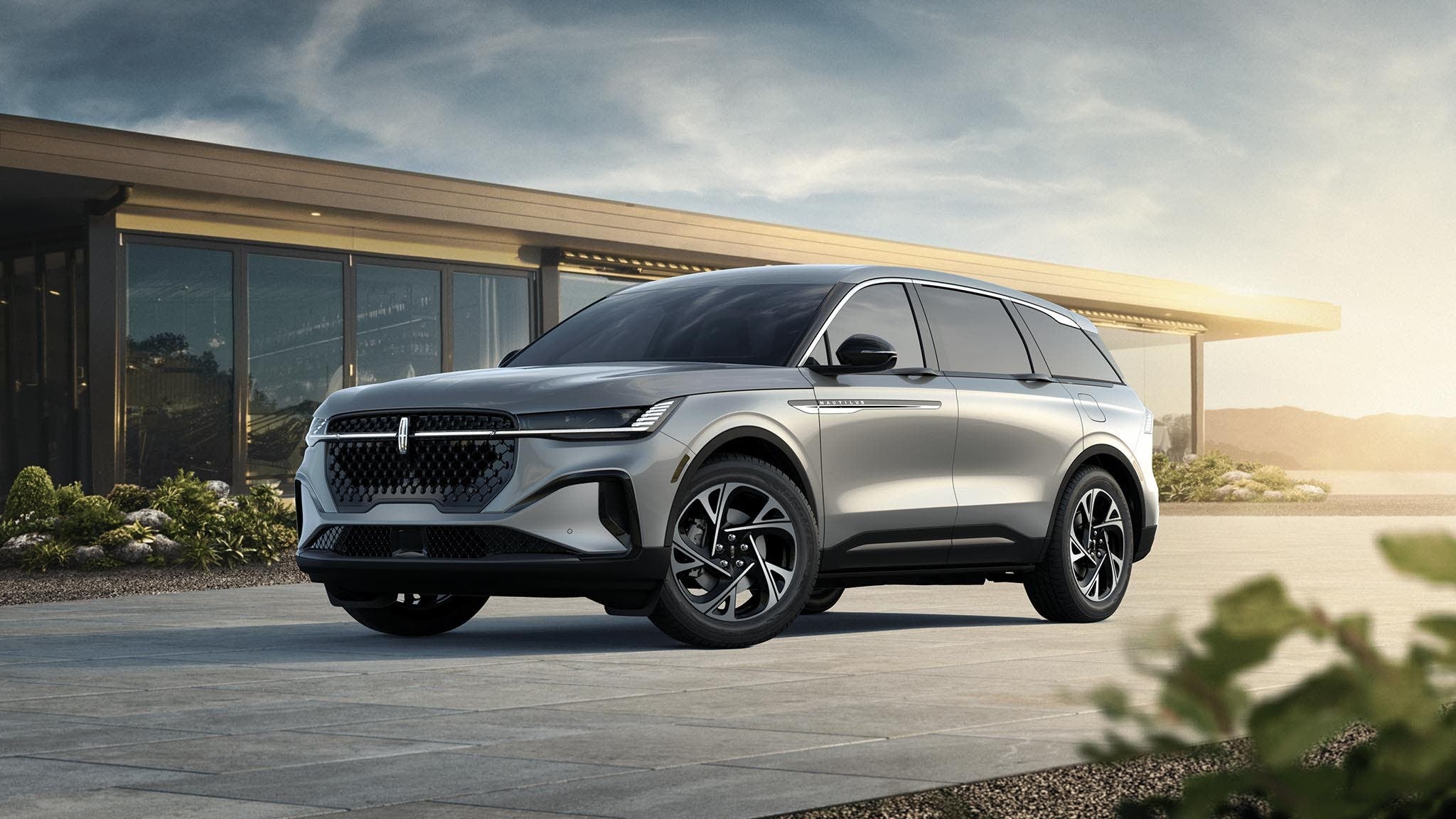
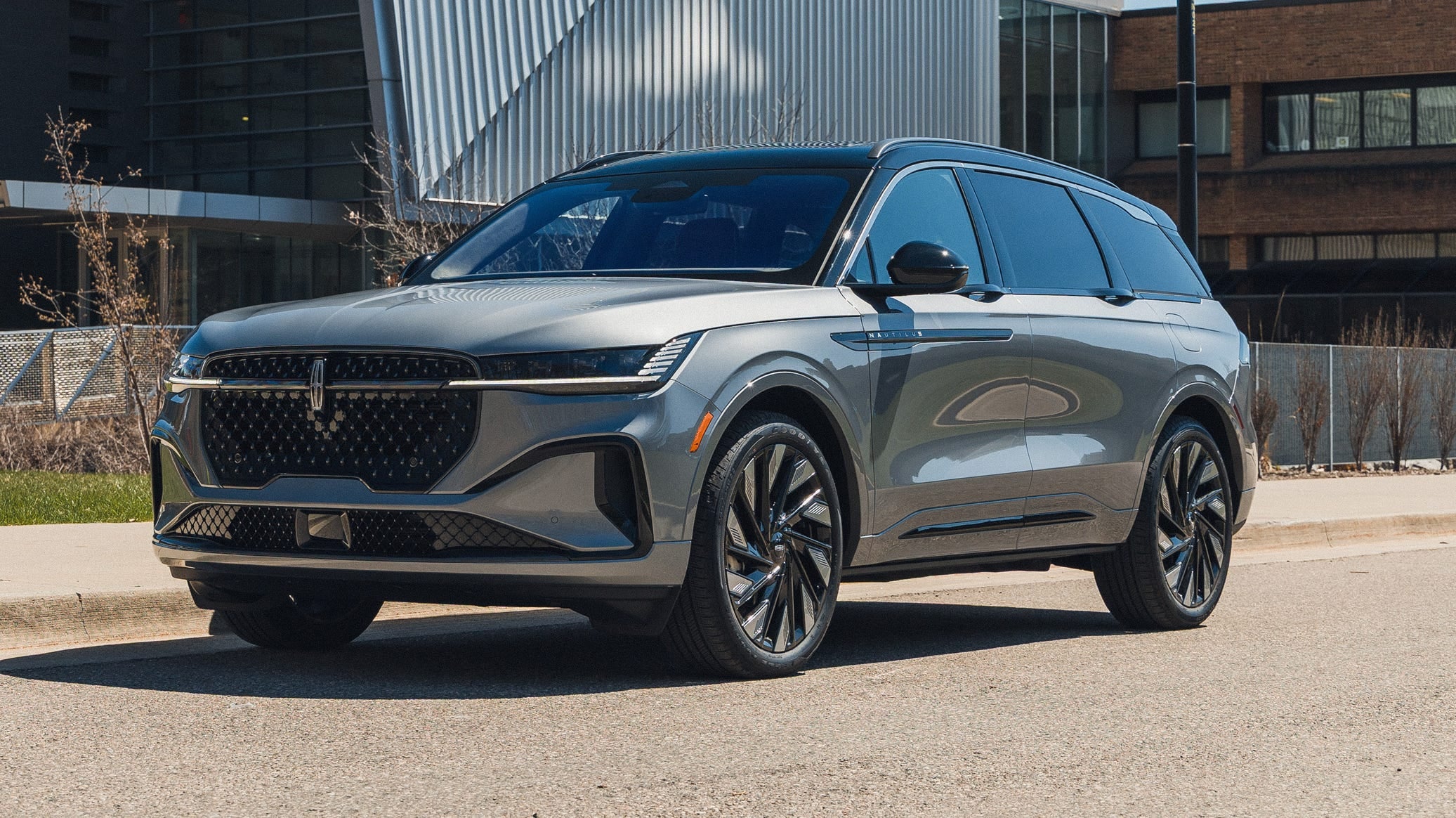
2026 Lincoln Nautilus For Sale - St. Louis, MO

How To Pick The Right Lincoln SUV For Your Lifestyle

Which Lincoln SUV Is Right for You? A Complete St. Louis Buying Guide Which Lincoln SUV is the right fit for your life in St. Louis? That sounds like a simple question, but the answer depends on more than size, price or the number of seats. A driver commuting from Chesterfield to Clayton may need something very different from a family driving between Kirkwood, Frontenac and weekend tournaments in St. Charles. A couple in Ladue who wants a quiet, refined daily SUV may not need the same vehicle as a growing family heading to Lake of the Ozarks with kids, luggage, golf clubs and a dog in the back. That is why choosing a Lincoln SUV should not feel like simply picking the biggest one you can afford or the newest one on the lot. The better approach is to start with how you actually drive. Do you spend most of your time on I-64, I-270, Manchester Road or Lindbergh Boulevard? Do you regularly carry passengers in the second or third row? Do you need easy parking in Clayton or the Central West End? Do you want the latest Lincoln technology, the most passenger space, the smoothest highway ride or the best balance of luxury and everyday practicality? This guide is designed to help St. Louis luxury SUV shoppers compare the Lincoln Corsair, Lincoln Nautilus, Lincoln Aviator and Lincoln Navigator in a more practical way. Instead of treating this like a generic model comparison, we will break down which Lincoln SUV fits different lifestyles, driving habits and ownership priorities. If you already know you want a Lincoln but are not sure which model makes the most sense, this is the decision guide to start with. Not Every Luxury SUV Buyer Has The Same Needs Luxury SUV shoppers often start with the same broad wish list. They want comfort, confidence, technology, safety, space and a vehicle that feels elevated every time they get behind the wheel. But once you look closer, those needs can point in very different directions. A daily commuter may care most about a quiet cabin, fuel efficiency, easy maneuverability and driver-assist technology. A family may care more about second-row comfort, cargo space, third-row access and how easy the SUV is to live with every day. A business owner or executive may want presence, refinement and a cabin that feels appropriate for client dinners, airport pickups or meetings in Clayton and downtown St. Louis. That is why the Lincoln SUV lineup works well for different stages of life. Each model has its own purpose. Lincoln Corsair: Best for drivers who want compact luxury, easy daily use and a refined SUV that does not feel oversized. Lincoln Nautilus: Best for shoppers who want a balanced two-row luxury SUV with excellent comfort, technology and everyday versatility. Lincoln Aviator: Best for families or drivers who want three rows without moving all the way into full-size SUV territory. Lincoln Navigator: Best for shoppers who want maximum space, first-class comfort, commanding presence and full-size luxury capability. The goal is not to say one Lincoln SUV is better than the others. The goal is to identify which Lincoln SUV is better for you. Start With How You Actually Drive Before comparing screens, horsepower, seat layouts or trim levels, ask yourself a simple question: what does a normal week of driving look like? For many St. Louis drivers, the answer is a mix of city streets, suburban roads and highway miles. You may drive Manchester Road during the week, take I-270 to reach another part of the metro, use I-64 for work or appointments, and head west toward St. Charles or Columbia on the weekend. A Lincoln SUV should fit that rhythm, not fight against it. Here are a few practical questions that can quickly narrow the choice: Do you need two rows or three rows? Do you regularly carry adults in the second row? Do you need space for kids, pets, luggage or sports equipment? Is garage space or parking space a concern? Do you spend more time on highways or local streets? Do you care more about efficiency, power, technology or passenger room? Will this be your primary family vehicle or a personal daily driver? Do you plan to keep the vehicle long-term? These questions matter because the right luxury SUV is not always the largest or most expensive option. A Navigator may be perfect for one household and more vehicle than another household needs. A Corsair may be ideal for one driver and too compact for someone who regularly travels with family. A Nautilus may be the best all-around fit for many buyers because it sits in the middle with strong technology and two-row comfort. An Aviator may make the most sense for drivers who want three rows but prefer a more manageable footprint than a full-size SUV. Instead of starting with the vehicle, start with the life the vehicle needs to serve. Choose The Lincoln Corsair If You Want Compact Luxury Without Excess Size The Lincoln Corsair is the smallest SUV in the Lincoln lineup, but that does not mean it feels like a compromise. For many St. Louis drivers, its size is exactly the point. It gives you Lincoln refinement, comfort and design in a package that is easy to drive, easy to park and easy to live with every day. The Corsair is a strong fit for drivers who want a luxury SUV but do not need three rows or a larger midsize footprint. It can be especially appealing for professionals, empty nesters, couples, first-time luxury buyers and anyone who wants a premium daily vehicle that feels comfortable without feeling oversized. Think about a driver who lives in Brentwood, Richmond Heights, Webster Groves or Kirkwood and spends the week moving between appointments, errands, dinners and highway commutes. A smaller luxury SUV can be easier to maneuver in tighter parking lots, easier to place in traffic and less demanding in garages or crowded urban areas. The Corsair also makes sense for drivers who like the idea of a refined SUV but do not need to carry a large family every day. If your second row is used occasionally for friends, grandchildren, clients or weekend guests, the Corsair may give you enough flexibility without moving into a larger vehicle. Who The Lincoln Corsair Is Best For Drivers who want a smaller luxury SUV Commuters who value comfort and easy maneuverability Couples or empty nesters who do not need three rows First-time Lincoln shoppers Drivers who park in tighter garages or city areas Shoppers who want luxury without unnecessary size The Corsair may not be the right choice if you regularly travel with multiple passengers, need a large cargo area, or want the most advanced cabin experience Lincoln offers. In those cases, the Nautilus, Aviator or Navigator may be a better fit. But for the driver who wants Lincoln luxury in a compact form, the Corsair can be a very smart match. Choose The Lincoln Nautilus If You Want The Best All-Around Lincoln SUV For many St. Louis shoppers, the Lincoln Nautilus may be the easiest Lincoln SUV to recommend. It sits in the sweet spot of the lineup: larger and more premium-feeling than a compact SUV, but more manageable than a three-row luxury vehicle. It gives you two-row comfort, strong technology, elegant styling and daily usability in one package. The Nautilus is especially appealing for drivers who want a luxury SUV that feels modern without being overwhelming. It is large enough for comfortable commuting, weekend travel, airport runs and family use, but it does not require the same space commitment as an Aviator or Navigator. Lincoln positions the Nautilus as a two-row midsize luxury SUV with seating for five, and the 2026 Nautilus is available with hybrid performance across its model lineup. It also features a technology-forward cabin, including the panoramic display that helps define the modern Lincoln interior experience. For a St. Louis driver, that balance matters. The Nautilus feels right for a wide range of real-world situations: Commuting from Chesterfield or Ballwin into Clayton Driving I-64 or I-270 during the week Taking clients to dinner in Frontenac, Ladue or the Central West End Heading to Forest Park, The Hill or the Missouri Botanical Garden Loading bags for a weekend in Hermann or Lake of the Ozarks Carrying adults comfortably in the second row The Nautilus is also a strong choice for shoppers who want Lincoln technology to be a central part of the ownership experience. Available and standard features can vary by trim and model year, but Nautilus is one of the most technology-forward vehicles in the Lincoln lineup. The wide digital display, available Lincoln BlueCruise hands-free highway driving, premium cabin materials and quiet ride all work together to make it feel distinctly modern. Why The Nautilus Works For So Many Luxury Shoppers The Nautilus is not trying to be the biggest Lincoln SUV. It is trying to be one of the most useful. That is an important distinction. A larger SUV can be helpful if you need three rows or maximum cargo capacity, but not every luxury buyer wants to drive a full-size vehicle every day. The Nautilus gives many shoppers the comfort and presence they want without unnecessary size. It may be the right Lincoln SUV if you want: A premium two-row SUV with generous cabin space A comfortable second row for adults Modern technology and a more digital interior experience A strong balance of luxury and practicality An SUV that feels at home in both West County and downtown St. Louis Enough cargo room for everyday life and weekend travel The Nautilus is also a good fit for shoppers who are downsizing from a larger SUV. If your kids are older, you no longer need a third row every day, or you want something easier to drive without giving up comfort, the Nautilus can feel like the right next step. When The Nautilus May Not Be Enough As versatile as the Nautilus is, it is still a two-row SUV. If you regularly need a third row, transport several passengers, or want maximum cargo flexibility for family travel, the Aviator or Navigator may be the better choice. That is the key decision point. If you need two rows, the Nautilus should be high on your list. If you need three rows, move your attention to the Aviator or Navigator. You can review current Nautilus availability and other new Lincoln models through the new Lincoln inventory at Dave Sinclair Lincoln St. Louis. Choose The Lincoln Aviator If You Need Three Rows Without Full-Size SUV Bulk The Lincoln Aviator is the right place to look if you like the refinement of the Nautilus but need more seating flexibility. It gives St. Louis families a three-row luxury SUV without moving all the way into the larger size and presence of the Navigator. That makes the Aviator a strong fit for families in places like Creve Coeur, Webster Groves, Kirkwood, Chesterfield and Ladue who need more room but still want a vehicle that feels comfortable for daily driving. It can handle school drop-offs, sports practices, weekend dinners, airport runs and longer highway trips without feeling like you are driving the largest SUV in the Lincoln lineup. The Aviator is especially helpful if your third row is used regularly, but not necessarily every single day. Maybe you have kids and occasionally their friends. Maybe you need room for grandparents when family visits. Maybe your second row is usually full, and you want the added flexibility of a third row when the schedule gets busy. Who The Lincoln Aviator Is Best For Families who need three rows Drivers who want more space than Nautilus Shoppers who do not want the full size of Navigator Road-trip families heading to Lake of the Ozarks, Columbia or Chicago Drivers who want luxury, power and passenger flexibility Households with kids, pets, luggage and sports gear The Aviator also works well for drivers who want a more elevated family vehicle. It is not just about getting more seats. It is about making family travel feel better. The cabin feels quiet and composed, the seating position is confident, and the interior has the kind of premium atmosphere that makes errands, commutes and long drives feel less routine. If you are comparing Nautilus and Aviator, the key question is simple: do you need a third row? If the answer is no, the Nautilus may give you the better everyday balance. If the answer is yes, the Aviator becomes much more compelling. Choose The Lincoln Navigator If You Want Maximum Space, Presence And Comfort The Lincoln Navigator is the flagship Lincoln SUV. It is the right choice for shoppers who want the most space, the most presence and the most commanding luxury experience in the lineup. For some St. Louis drivers, Navigator is more vehicle than they need. For others, it is exactly what makes sense. If you regularly carry a full family, travel with multiple passengers, need serious cargo flexibility or want a luxury SUV that feels substantial every time you drive it, the Navigator stands apart. Navigator is a strong match for drivers who live in larger households, frequently travel, entertain clients or simply prefer a full-size luxury SUV. It feels appropriate pulling up to a restaurant in Clayton, a private event in Frontenac, a weekend gathering in Ladue or a family trip across Missouri. Where the Navigator really earns its place is long-distance comfort. A larger SUV can make a major difference when everyone has space, luggage fits more easily and the cabin feels calm over several hours. For families driving to Lake of the Ozarks, Branson, Chicago, Nashville or Kansas City, that extra room can change the entire feel of the trip. Who The Lincoln Navigator Is Best For Larger families who need three rows and generous cargo space Drivers who want the flagship Lincoln ownership experience Executives and business owners who value presence Families who take frequent road trips Shoppers who want maximum passenger comfort Drivers who simply prefer a full-size luxury SUV The Navigator may not be the ideal fit if parking size, garage space or urban maneuverability is your top concern. If you spend most of your time in tight city parking or rarely need the extra room, the Nautilus or Aviator may be easier to live with every day. But if your priority is space, road-trip comfort and a true flagship feel, the Navigator is the Lincoln SUV that delivers the most. Questions Every Luxury SUV Buyer Should Ask Before Choosing Once you understand the basic role of each Lincoln SUV, the next step is to think honestly about ownership. A quick test drive can tell you whether you like a vehicle. A better buying process helps you decide whether you will still like it in three, four or five years. Before choosing your next Lincoln SUV, ask yourself: Will I use the third row often, occasionally or almost never? Do I need more cargo space for travel, sports, pets or work? Will this vehicle fit comfortably in my garage? How often do I drive in tighter areas like Clayton, Brentwood or the Central West End? Do I take frequent highway trips on I-64, I-70, I-44 or I-55? Do I want the easiest daily driving experience or the most spacious cabin? How important are hybrid availability, technology and driver-assist features? Will adults regularly sit in the second row? Am I buying for my current lifestyle or the next stage of life? That last question matters. Many shoppers buy based on what they needed five years ago instead of what they need now. A family that once required a large three-row SUV may be ready for a Nautilus. A couple that has always driven smaller SUVs may now want the comfort and presence of an Aviator. A business owner who spends more time entertaining clients or traveling may find that Navigator finally makes sense. The right Lincoln SUV should fit the way your life is actually moving. How To Test Drive A Lincoln SUV The Right Way A short loop around the dealership can help you get a first impression, but it may not tell you everything you need to know. If you are seriously comparing Lincoln SUVs, use the test drive to answer real ownership questions. Do not only focus on acceleration. Pay attention to the details that affect daily life. Seat comfort: Do you feel supported after more than a few minutes? Visibility: Can you see clearly in traffic and parking areas? Cabin noise: Does the SUV feel quiet on busier roads? Technology: Are the controls and screens easy to understand? Second-row comfort: Would adults be happy sitting there? Cargo access: Is the rear area practical for your lifestyle? Parking feel: Does the SUV feel manageable in tighter spaces? Highway comfort: Does it feel relaxed at speed? If you are comparing Nautilus and Aviator, pay close attention to whether the third row is truly worth moving up in size. If you are comparing Aviator and Navigator, think about how often you need the extra room and whether the larger footprint fits your daily routine. If you are interested in advanced technology such as Lincoln BlueCruise, ask about availability on the specific vehicle you are driving. Features can vary by model, trim, package and model year, so the exact vehicle matters. Find Your Lincoln SUV At Dave Sinclair Lincoln St. Louis Choosing between the Lincoln Corsair, Nautilus, Aviator and Navigator does not have to feel overwhelming. Once you understand what each SUV does best, the decision becomes much clearer. If you want compact luxury and easy daily driving, start with Corsair. If you want the best all-around balance, Nautilus should be high on your list. If you need three rows without full-size bulk, Aviator is the natural step up. If you want the flagship Lincoln experience with maximum room and presence, Navigator is the answer. At Dave Sinclair Lincoln St. Louis, our team can help you compare current models, review feature availability, discuss financing options and choose the Lincoln SUV that fits your life in St. Louis. You can start by browsing our new Lincoln inventory, reviewing Lincoln finance options, or contacting us through our contact page. The right Lincoln SUV is not just the one with the most features. It is the one that makes your everyday driving feel easier, quieter and more refined. Questions People Ask Before Buying A Lincoln SUV Which Lincoln SUV has the most comfortable ride? All Lincoln SUVs are designed around comfort, but the most comfortable choice depends on what kind of comfort you value most. The Lincoln Nautilus is often a strong everyday comfort choice because it offers a quiet, refined two-row experience without feeling oversized. It is easy to live with, comfortable for commuting and well-suited for highway driving around St. Louis. The Lincoln Aviator adds three-row flexibility while still feeling refined and smooth, making it a strong option for families who want more passenger room. The Lincoln Navigator offers the most spacious and flagship-level experience, especially for long-distance travel, larger families and drivers who want maximum room. If your priority is daily comfort, the Nautilus may be the best balance. If your priority is family comfort, consider Aviator. If your priority is full-size luxury and road-trip comfort, Navigator is the strongest choice. What is the difference between the Lincoln Nautilus and Lincoln Aviator? The biggest difference between the Lincoln Nautilus and Lincoln Aviator is seating and size. The Nautilus is a two-row luxury SUV with seating for five, while the Aviator is a three-row luxury SUV designed for drivers who need additional passenger flexibility. The Nautilus is a great choice for shoppers who want a premium daily SUV with modern technology, strong comfort and a more manageable size. It fits commuters, couples, smaller families and drivers who do not need a third row. The Aviator is better if you regularly carry more passengers, need a third row for kids or guests, or want more space for family travel. It is still easier to manage than the larger Navigator, but it gives you more room than the Nautilus. For most St. Louis shoppers, the decision comes down to one question: do you actually need a third row? If not, Nautilus may be the better everyday fit. If yes, Aviator makes more sense. Is the Lincoln Navigator too big for everyday driving? The Lincoln Navigator is a full-size luxury SUV, so it is larger than the Corsair, Nautilus and Aviator. Whether it feels too big depends on where and how you drive. If you spend most of your time in tight urban parking, smaller garages or narrow city streets, the Navigator may feel like more SUV than you need. However, many St. Louis drivers choose Navigator because the extra size gives them the space and comfort they want. For larger families, frequent road trips, executive travel or drivers who simply prefer a commanding SUV, Navigator can be very rewarding. The best way to decide is to test drive it in conditions similar to your real life. Pay attention to parking, visibility, turning feel and garage fit. If the size feels manageable and you value the room, Navigator may be exactly right. Is the Lincoln Corsair large enough for a family? The Lincoln Corsair can work well for smaller families, couples with one child, empty nesters who occasionally carry passengers, or drivers who want a compact luxury SUV with practical flexibility. It offers two rows and a more manageable size, which makes it easy to drive around St. Louis suburbs, parking lots and tighter city areas. However, the Corsair may not be large enough for families who regularly carry multiple children, sports gear, luggage, pets or additional passengers. If your family frequently needs more rear-seat room or cargo space, the Nautilus may be a better two-row option. If you need a third row, the Aviator or Navigator will make more sense. The Corsair is best for families with lighter space needs. For growing families, Nautilus or Aviator should also be considered. Which Lincoln SUV has the best technology? The Lincoln Nautilus is one of the strongest technology choices in the current Lincoln SUV lineup because of its modern cabin experience, available Lincoln BlueCruise and wide panoramic display design. For shoppers who want a technology-forward two-row SUV, Nautilus deserves serious attention. The Aviator and Navigator also offer premium technology, especially for families and drivers who want advanced comfort, driver-assist features and larger luxury SUV capability. Navigator, as the flagship, offers a high-end ownership experience with technology designed around comfort, convenience and long-distance travel. The best technology choice depends on the model year, trim and equipment package. If technology is a top priority, compare the exact vehicle window stickers and ask which features are included or available. Which Lincoln SUV offers the best value? For many St. Louis luxury shoppers, the Lincoln Nautilus may offer the best overall value because it balances comfort, technology, size and everyday usability so well. It gives you a premium two-row SUV experience without requiring the larger footprint or higher cost of a three-row luxury SUV. That does not mean it is the best value for everyone. The Corsair may be the better value if you want compact luxury and do not need extra space. The Aviator may be the better value if your family needs three rows. The Navigator may be the better value if you want the flagship Lincoln experience and will genuinely use the space. True value is not just the lowest price. It is the vehicle that fits your lifestyle well enough that you enjoy driving it every day.

Lincoln service technician in safety glasses and gloves working on a vehicle

Lincoln Service Near Me: What a Multi Point Inspection Covers in Ballwin and St. Louis

Service  |  St. Louis, MO What happens at a Lincoln service visit in Ballwin, what a multi point inspection checks, and how to read your maintenance schedule. February is hard on a vehicle in St. Louis. Cold mornings stress the battery, salt and slush coat everything underneath, and the potholes on Manchester Road and I-64 do their own kind of damage. It's a good month to find out where your Lincoln stands before spring road trips start. If you've been typing "Lincoln service near me" into your phone, this is what to expect when you come in, what the inspection covers, and how to use the Maintenance Schedule in your owner's guide. Quick answer: A multi point inspection is a structured walk through the parts of your Lincoln that wear quietly: fluids, tires, brakes, battery, belts and hoses, lights, wipers, and filters, plus a check for software updates and open recalls. You come away with a clear list of what's fine, what's wearing, and what needs attention, so you can plan service instead of reacting to a warning light. Checks Wear items and fluids Also looks for Recalls and updates You decide What gets approved In this post What to expect The inspection Dealer service Technician training Maintenance schedule Booking What Should You Expect at a Lincoln Service Visit? A visit follows a simple pattern. It starts with a conversation, and it ends with you in charge of what gets done. 1 You talk to an advisor The advisor asks what you've noticed, like a noise, a vibration, a warning light, or nothing at all, and writes it down. 2 A technician takes it from there The technician works through the concerns you raised and the items on the inspection. 3 The advisor walks you through it You hear the findings in plain terms, with what's urgent and what can wait. 4 You decide Nothing should be a surprise, and you can always ask why something is on the list. What Does a Multi Point Inspection Cover? The exact checklist varies by vehicle and by visit, but a typical inspection looks at these areas: Fluids, including engine oil, coolant, brake fluid, and washer fluid Tires, including tread wear, visible damage, and inflation Brakes, including pad and rotor condition Battery health and terminal condition, which matters after a cold snap Belts and hoses, checked for cracks, wear, and leaks Exterior and interior lights Wiper blades and washer spray Engine and cabin air filters Software updates and open recalls for your vehicle None of this is meant to sell you something you don't need. It's a baseline that tells you what shape the vehicle is in today. Schedule Lincoln Service View Service Specials Why Does Dealer Service Matter for a Lincoln? A Lincoln carries software, sensors, and driver assistance features that a general repair shop may not see every day. A dealer service department works on Lincolns as its main business, uses diagnostic tools made for them, and can check a vehicle against current recalls and service updates tied to your VIN. That doesn't mean an independent shop can't do a good oil change. It means that when a concern involves electronics, a warranty question, or a recall, a dealer is set up to handle it in one place. Keeping your service records current also helps when you eventually trade or sell. What Should You Ask About Technician Training? Training is a fair thing to ask any service department about. Find out whether the technicians on your Lincoln are factory trained, how they keep up with new models and software, and who'll be working on your vehicle. Ask the same things anywhere you take your vehicle. A good advisor answers directly and doesn't mind being asked. How Do You Read Your Owner's Maintenance Schedule? Your owner's guide includes a Maintenance Schedule that lists what should be inspected or replaced and when. Intervals depend on the model, the engine, and how you drive, so follow the guide for your exact vehicle, not a rule of thumb from a friend. St. Louis driver tip Many schedules split normal driving from severe duty. Short trips, stop and go traffic on Manchester Road, towing, dusty roads, and extreme temperatures can all push a vehicle toward the severe column. If that sounds like your week, tell the advisor so the schedule fits how you really drive. How Do You Book Lincoln Service in Ballwin? Dave Sinclair Lincoln St. Louis is in Ballwin, just off Manchester Road, and we serve drivers from Manchester, Sunset Hills, and Brentwood as well as the rest of St. Louis County. Use the service scheduling page on our website, or call the service department with your VIN, your mileage, and what you've noticed. The more detail you give us, the better the visit goes. The more detail you give us, the better the visit goes. Book it your way Schedule online, in the Lincoln app, or call us at 314-729-2700. Pickup and Delivery is complimentary for vehicles within the new vehicle limited warranty, so we can come get the car while you stay at work. See Pickup and Delivery Questions Drivers Ask About Service Visits How long does a multi point inspection usually take? It depends on the vehicle and how busy the department is that day. Ask your advisor for a time estimate when you schedule, and mention any concerns so they can plan for them. Do I need an appointment for an inspection? Scheduling ahead is the easier path, since it lets the team set aside time and get ready for your vehicle. Use the service page on our website or call the department. What should I bring to a service visit? Bring your keys, a short list of anything you've noticed, and your service records if you have them. If a warning light came on, note when it appeared and whether it stays lit. Questions Drivers Ask About What Gets Checked Is a multi point inspection the same as a state vehicle inspection? No. A multi point inspection is a condition check of wear items and fluids that helps you plan maintenance. It's separate from any inspection the state requires, so ask your advisor if you have a requirement to meet. Does the inspection include a recall check? A recall and software update check is a normal part of a good service visit. Your VIN tells the team which open items apply to your vehicle, and the advisor can explain what, if anything, is outstanding. Will the inspection find every problem? It's a snapshot of what can be seen and measured during the visit. Some issues only show up under certain conditions, so keep telling your advisor about anything unusual between visits. Questions Drivers Ask About Dealer Service Do I have to service my Lincoln at a dealer? You choose where to service your vehicle. A dealer is a sensible option for warranty work, recalls, and electronics, and keeping complete records helps wherever the work is done. Can the service team work on a Lincoln that I bought elsewhere? Call the service department and give us your VIN. We'll tell you what's possible and set a time once we know your model and what you need. How should I judge any service department? Look for clear explanations, written findings, and a willingness to answer questions. A department that tells you what's urgent, what can wait, and why has earned a second visit. Questions Drivers Ask About the Maintenance Schedule Where do I find my Lincoln Maintenance Schedule? It's printed in your owner's guide, and many owners also find it in the digital version. If you can't locate it, a service advisor can point you to the right section for your model. What if I am behind on scheduled maintenance? Don't wait for a perfect moment. Book a visit, tell the advisor what's been missed, and ask for the items to be ranked by safety first and convenience second. Does driving in winter change what my Lincoln needs? It can. Cold weather is hard on batteries, salt affects underbody parts, and slush and potholes wear tires and suspension. Your Maintenance Schedule has guidance for severe conditions. Questions Drivers Ask About Booking Service Can I request a specific concern be checked? Yes, and you should. Describe the noise, smell, or warning light in your own words and say when it happens. Specific details help the technician find the cause faster. Are service specials available? Offers change from time to time, so the service specials page on our website is the place to look. Ask your advisor which offers apply to your visit when you book. How do I start a service request? Visit the Lincoln service page on our website, or call the department at 314-729-2700. Have your VIN, your approximate mileage, and a description of your concern ready. Want to See the Service Department? Learn about service for your Lincoln in Ballwin. Visit Our Service Department Hard to Fit Service Into Your Week? See whether mobile service works for your schedule. Explore Mobile Service Keep reading: Curious how owning a Lincoln compares with other luxury brands? Read why Lincoln ownership feels different.

Black Lincoln Aviator parked on a sandy beach with dune grass

Lincoln Aviator vs. Volvo XC90: Choosing a Three Row Luxury SUV in West County

Compare  |  St. Louis, MO A plain way to choose between the Lincoln Aviator and the Volvo XC90 when you need three rows in West County. If you live in Chesterfield, Frontenac, or Clayton and you need three rows with a luxury badge, the Lincoln Aviator and the Volvo XC90 end up on the same short list. Both are good SUVs. The better pick comes down to how each one fits your week, not a stack of figures. We sell the Lincoln Aviator, so we'll say that up front. We've left numbers out on purpose because specs change by year and trim. Each dealer can give you the current ones for the exact vehicle. Quick answer: The Lincoln Aviator leans toward a calm, comfort first cabin and a service relationship at a Lincoln dealer. The Volvo XC90 is a respected rival with its own loyal following. Who rides in the back and how you handle winter will decide it, so drive both on the same route. Seats Three rows in both Our advice Drive both, same day Skip The spec sheet In this post Third row Winter Cargo Cabin feel Ownership Test drive Which Is Better for Second and Third Row Use, the Lincoln Aviator or the Volvo XC90? Start with the people, not the vehicle. Think about who rides in the back most days. If the third row is mostly kids on a carpool run, almost any three row SUV will do. If adults sit back there on longer trips, the shape of the seats and the way the second row moves matter a lot. Climb into the third row of the Lincoln Aviator and the Volvo XC90 yourself, with the second row set where your family would leave it. See how easy it is to get in, how it feels after a few minutes, and whether car seats and boosters go in without a fight. How Do the Lincoln Aviator and Volvo XC90 Handle St. Louis Winters? Winter here means cold mornings and the occasional ice storm, plus slush on Clayton Road and Lindbergh. Both the Lincoln Aviator and the Volvo XC90 can come with different drivetrains, and what a given vehicle has depends on trim and availability. St. Louis driver tip If the forecast shows slush or a wet hill, book your test drive that day. A dry lot on a sunny afternoon tells you very little about how a vehicle brakes and turns when the road is slick. Traction is only part of it. Tires matter just as much, and so does how confident the vehicle feels when you brake on a wet hill. Ask each dealer which drivetrain is on the exact vehicle you're looking at. What About Cargo for School and Sports Gear? Cargo is where your daily habits show up. Bring what you really carry, whether that's hockey bags, lacrosse sticks, a stroller, or a week of groceries. Load it into the Lincoln Aviator and the Volvo XC90 with the third row up, then again with it folded. Look at the opening height, the shape of the space, and how easy it is to fold a seat without moving the car seat beside it. A cargo area that looks big in a photo can feel awkward in a school pickup line. See the Lincoln Aviator Lincoln Aviator Comparison How Does the Cabin Feel in the Lincoln Aviator and the Volvo XC90? Cabin feel is personal, and both take it seriously. The Volvo XC90 is known for clean, Scandinavian design. The Lincoln Aviator leans on quiet comfort and a relaxed, residential feel. Neither is wrong. The one you like is the one you'll enjoy on a long drive. Sit in each for more than a few minutes. Notice the seat support, the road noise on I-64, how the controls and screens work for a first time user, and whether the cabin feels calm or busy. What Does Ownership and Service Look Like for the Lincoln Aviator and the Volvo XC90? A luxury SUV is a relationship that lasts years, so the service side matters. Ask each dealer how scheduling works, what loaner or ride options exist, and how they keep you posted during a repair. You can ask a Volvo dealer the same things about the Volvo XC90. Owners of a Lincoln Aviator at Dave Sinclair Lincoln St. Louis work with a team that sees Lincolns all day. Stop by the service department while you're here. The service experience is part of what you're buying. How Should You Test Drive the Lincoln Aviator and the Volvo XC90? Drive them back to back, on the same route, with the people who ride along most. Take in a stretch of highway, a parking lot, a hill, and a rough patch. Bring a car seat or your gear if that's part of your week. Write down what you notice before anyone talks about price. We can set up a drive in the Lincoln Aviator, and we'd encourage you to visit a Volvo dealer for the Volvo XC90. A fair comparison makes for a better decision. Lincoln Aviator Fits you if You want a quiet, relaxed cabin for the daily drive You like the idea of Lincoln service close to home in Ballwin You'd rather judge the third row by sitting in it than reading about it Volvo XC90 Fits you if You're drawn to clean Scandinavian design You like a model with a loyal following You're fine with service at a Volvo dealer The Sinclair Promise If you don't love your car within seven days or 500 miles, bring it back. No questions asked. It's how Dave Sinclair built this store, and it still stands. Read the Sinclair Promise Questions Shoppers Ask About the Lincoln Aviator and Volvo XC90 Are the Lincoln Aviator and Volvo XC90 direct competitors? Yes. Both are three row luxury SUVs for households that want comfort and a premium badge, so plenty of shoppers cross shop the Lincoln Aviator and the Volvo XC90. Their personalities differ, which is why driving them side by side helps. Is the Volvo XC90 a fair alternative to the Lincoln Aviator? It is. The Volvo XC90 has a loyal following for good reason, and it deserves a real test drive. We'd rather you compare honestly and pick what suits your household than rush a decision. Which three row luxury SUV is right for my household, the Lincoln Aviator or the Volvo XC90? It comes down to who rides in the back, what you haul, how you handle winter, and which cabin you prefer after real time behind the wheel. Use the checklist in this guide and drive both on the same day. Questions Shoppers Ask About Seating and Space How should I judge the third row in the Lincoln Aviator and the Volvo XC90? Sit back there with the second row set where your family would leave it. Check how you get in, how the seat feels after a few minutes, and whether anyone can reach the buckles. Can car seats fit easily in the Lincoln Aviator or the Volvo XC90? Bring your own seats to the test drive and install them. Anchor placement and second row space vary, and putting a seat in yourself tells you more than reading about it. Will the Lincoln Aviator or the Volvo XC90 handle a carpool? That depends on how easily kids can reach the third row and buckle themselves in. Have a child try it during your visit. A tall step or a narrow gap turns into a daily annoyance. Questions Shoppers Ask About Winter and Daily Driving Should I prioritize all wheel drive in a Lincoln Aviator or a Volvo XC90? If winter confidence matters to your household, ask for it. Availability changes by trim and drivetrain, so confirm what's on the exact vehicle in front of you instead of assuming. Do winter tires help a Lincoln Aviator or a Volvo XC90? They can, since tires are the part of the vehicle that touches the road. Plenty of families around St. Louis do fine on good all season tires, but a winter set adds confidence if you drive hills often. Is either the Lincoln Aviator or the Volvo XC90 easy to park in West County? Both are large, so test them where you park. Try a tight spot at a Chesterfield shopping center, then your own garage, and see how much the cameras and sensors help. Questions Shoppers Ask About Comfort and Ownership How can I compare cabin quiet in the Lincoln Aviator and the Volvo XC90? Drive both on the same stretch of I-64 with the audio off and the climate set the same way. Wind, road, and tire noise are easier to compare back to back than from memory. What should I ask about service for a Volvo XC90 or a Lincoln Aviator? Ask how scheduling works, what ride or loaner options exist, and how the team keeps you updated during a repair. The answers tell you what ownership will feel like long after the sale. How do I compare warranty coverage fairly? Ask each dealer for the written coverage terms on the exact vehicle, including what's covered and for how long. Lay the documents side by side, and ask our team about Warranty Forever. Questions Shoppers Ask About Buying at Dave Sinclair Lincoln St. Louis Can I test drive a Lincoln Aviator at Dave Sinclair Lincoln St. Louis? Contact our team to set a time, and tell us who'll ride along so the right Lincoln Aviator is ready when you get here. Bring car seats or gear if you want to test the fit. Can I trade in my current SUV toward a Lincoln Aviator? Yes. Our team can appraise your current vehicle and apply its value toward a Lincoln Aviator. Bring the title or loan details if you still owe money on it. How do I check what is in stock? Browse the new inventory page on our website for what's on the lot, and contact the team if you want a specific color or equipment. Availability changes often. Ready to Drive a Lincoln Aviator? Browse new Lincoln vehicles in stock right now. Browse New Inventory Have a Question First? Our team is glad to talk through your options. Contact Our Team Keep reading: Still deciding what fits your household? Read how to pick the right Lincoln SUV for your lifestyle.

How To Avoid Buying The Wrong Luxury SUV Brand

The Hidden Cost Of Buying The Wrong Luxury SUV The wrong luxury SUV does not always feel wrong on the first test drive. It may look impressive in the showroom. The monthly payment may seem attractive. The exterior may have the right presence, and the feature list may look long enough at first glance. But six months later, the real cost can start to show up. Maybe the seats are not comfortable on your commute from Chesterfield to Clayton. Maybe the cabin is louder than expected on I-64. Maybe the SUV is too large for your garage in Ladue or too small for family trips to Lake of the Ozarks. Maybe the technology looked impressive but feels frustrating during everyday use. Maybe you saved money up front, but now you are already thinking about trading again. That is the hidden cost of buying the wrong luxury SUV. For St. Louis drivers, the right luxury SUV is not simply the one with the lowest price, the biggest screen or the most aggressive lease offer. It is the one that fits your life so well that you enjoy owning it every day. That includes your commute, your passengers, your road trips, your parking situation, your technology expectations and your long-term plans. At Dave Sinclair Lincoln St. Louis, we believe luxury shoppers should think beyond the first payment and look at the full ownership picture. Whether you are considering a Lincoln Corsair, Lincoln Nautilus, Lincoln Aviator or Lincoln Navigator, the smartest choice is the one that gives you the right balance of comfort, size, technology, value and long-term confidence. Buying The Cheapest Luxury SUV Can Cost More Price matters. Every smart shopper should care about price, payment, incentives, trade value and financing. But the cheapest luxury SUV is not always the lowest-cost choice over time. A lower payment can look good at delivery, but it may not feel as good if the vehicle does not fit your daily life. If you dislike the way it rides, struggle with the controls, feel cramped on trips or regret not choosing the right size, you may end up wanting to trade sooner than planned. That can create a bigger financial issue than paying slightly more for the right vehicle in the first place. The hidden costs often come from dissatisfaction: Trading earlier than expected Taking a depreciation hit sooner Living with a vehicle that does not fit your family Paying for features you rarely use Missing features you wish you had chosen Buying too much SUV or not enough SUV Luxury vehicles should feel rewarding for years, not just exciting for the first few weeks. If the only reason you choose a vehicle is because it is the lowest-priced option, you may overlook the details that affect daily ownership. That does not mean the most expensive SUV is automatically the best choice either. A Lincoln Navigator may be perfect for one St. Louis family and more vehicle than another driver needs. A Lincoln Corsair may be ideal for a professional who wants compact luxury, but not enough room for a family that regularly travels with kids, luggage and sports gear. The goal is not to buy the cheapest vehicle or the largest vehicle. The goal is to buy the right vehicle. Think Beyond The Monthly Payment The monthly payment is important, but it is only one part of luxury SUV ownership. A smart purchase decision should include the full cost and value picture. When comparing luxury SUVs, consider: Insurance: Premium vehicles can vary in insurance cost depending on size, repair costs, safety features and coverage. Fuel: Engine choice, hybrid availability, driving habits and vehicle size all affect long-term fuel costs. Maintenance: Routine service, tires, brakes and inspections should be part of the ownership plan. Technology: Features that reduce stress or improve convenience may add meaningful value over time. Comfort: A quiet cabin and supportive seats can matter every single day. Resale and trade value: Choosing a vehicle that fits your needs can help you keep it longer and trade more strategically. For example, a driver who spends most weekdays traveling from West County to downtown St. Louis may place a higher value on comfort and driver-assist technology than someone who drives only short local errands. A family in Kirkwood or Webster Groves may value cargo flexibility, second-row comfort and long-trip convenience more than maximum horsepower. A business owner who regularly drives clients around Clayton, Frontenac or Creve Coeur may care about cabin presence, quietness and rear-seat comfort. That is why the right Lincoln SUV depends on your real usage. The monthly payment tells you what the vehicle costs. Your daily life tells you what the vehicle is worth. How Your Daily Commute Changes The Equation A luxury SUV is not only judged on weekend trips or special occasions. It is judged on ordinary days. That is where the right vehicle can quietly prove its value. If you drive I-64, I-270, I-44, I-55 or Highway 40 regularly, comfort becomes more than a nice extra. It becomes part of your daily routine. Road noise, seat support, ride quality, visibility and driver-assist features can affect how you feel when you arrive. Think about a normal St. Louis commute. You may start in Chesterfield, merge onto I-64, deal with slowdowns near I-270, continue toward Richmond Heights, and head into Clayton or downtown St. Louis. That drive may not be long by mileage, but traffic, construction and congestion can make it feel tiring. In that situation, the right luxury SUV can make a difference through: A quieter cabin that reduces outside noise Seats that remain supportive in traffic Smooth power delivery that does not feel harsh Driver-assist features that help reduce fatigue Easy-to-use technology that does not distract you A confident ride that feels composed on rough pavement This is where Lincoln’s quiet luxury approach matters. A Lincoln SUV is not designed only to impress people from the outside. It is designed to improve the experience inside the cabin. That is a long-term ownership benefit shoppers should take seriously. If you spend five days a week in your SUV, comfort is not a luxury add-on. It is part of the value equation. Technology Can Save Time, Not Just Impress Friends Luxury technology should do more than look impressive during a demonstration. The best technology makes ownership easier, safer, calmer or more convenient. That is an important distinction. Some vehicles offer technology that looks exciting but becomes frustrating in daily use. Complicated menus, distracting controls or features that require too much attention can make the ownership experience feel less refined, not more. Lincoln technology is most valuable when it supports real driving. Available Lincoln BlueCruise can help reduce fatigue on compatible highways. Connected services through the Lincoln app can help owners access vehicle information, remote features and service tools. Available software updates can help supported vehicle systems stay current over time. Driver-assist features can support awareness and confidence in busy St. Louis traffic. For local owners, that may matter in situations like: Driving I-70 toward St. Charles or Columbia Taking I-44 toward Eureka, Rolla or Springfield Navigating traffic near Lambert International Airport Managing a busy family schedule around Kirkwood or Webster Groves Using remote features before getting into the vehicle on a hot summer day or cold winter morning Technology has value when it saves effort. It has value when it makes a highway drive feel less tiring, helps you manage ownership from your phone, or makes the vehicle feel more intuitive every week. When comparing luxury SUVs, do not only ask which one has the longest feature list. Ask which one has technology you will actually use. Interior Comfort Is An Investment Too Interior comfort is one of the most overlooked parts of luxury SUV value. Shoppers often compare horsepower, screens, trim names and payments, but the cabin is where you live with the vehicle every day. Seats matter. Cabin noise matters. Visibility matters. The feel of the steering wheel, the layout of the controls, the height of the cargo opening and the quietness of the ride all become more important after the purchase. A luxury SUV with uncomfortable seats can feel expensive for the wrong reasons. A vehicle with a loud cabin can make highway travel more tiring. A model with awkward controls can frustrate you every time you adjust the climate, audio or navigation. Over time, those issues become ownership costs even if they do not show up on a finance worksheet. Lincoln places a strong emphasis on creating a calm cabin environment. Depending on the model and configuration, that can include premium materials, available advanced seating, refined sound systems, quiet ride quality and interior layouts designed to feel relaxing rather than cluttered. For St. Louis drivers, that comfort can matter during: Long drives to Lake of the Ozarks or Branson Stop-and-go traffic near Clayton or Brentwood Airport runs before sunrise Weekend evenings in the Central West End or The Hill Family trips across Missouri or into Illinois The right interior helps you arrive feeling better. That is not fluff. That is real value. Choosing The Right Size SUV Saves Money One of the most expensive luxury SUV mistakes is buying the wrong size. Too small, and you may outgrow it quickly. Too large, and you may pay for space, fuel, tires and parking difficulty you do not actually need. This is where the Lincoln SUV lineup gives St. Louis shoppers helpful choices. The right model depends on how much room you need and how often you need it. Lincoln Corsair: A smart fit for drivers who want compact luxury, easy parking and daily comfort without extra size. Lincoln Nautilus: A strong all-around choice for shoppers who want two-row comfort, technology and versatility. Lincoln Aviator: A better fit for families who need three rows but do not want the full-size footprint of a Navigator. Lincoln Navigator: The flagship choice for maximum space, presence, passenger comfort and road-trip flexibility. If you usually drive alone or with one passenger, a Navigator may be more than you need. If you regularly travel with kids, grandparents, pets, luggage and sports gear, a Corsair may not be enough. The right choice should match your real use, not just the best deal on paper. This is why test driving matters. Sit in the second row. Open the cargo area. Think about your garage. Imagine loading groceries, golf clubs, luggage or a stroller. The right-size SUV saves frustration, and frustration is one of the hidden costs many shoppers forget to calculate. Luxury Should Fit Your Lifestyle A luxury SUV should feel natural in your life. It should fit your home, your schedule, your driving routes and the people who ride with you most often. For one St. Louis driver, that may mean a Lincoln Nautilus that feels comfortable on I-64 and easy to park in Clayton. For another, it may mean a Lincoln Aviator that can handle school drop-offs, sports practices and weekend family trips. For a business owner, it may mean a Navigator that feels appropriate for client transportation, airport pickups and long-distance travel. The wrong SUV often asks you to adapt to it. The right SUV adapts to you. Before choosing, think about your lifestyle in practical terms: Do you drive clients or coworkers? Do adults regularly sit in the back seat? Do you take long weekend trips? Do you park in a garage every night? Do you need room for pets, golf clubs, luggage or sports equipment? Do you want something easy to maneuver in town? Do you want maximum road-trip comfort? Luxury is personal. The right Lincoln SUV for a retired couple in Frontenac may not be the same Lincoln SUV for a family in Kirkwood or a professional commuting from Chesterfield to downtown St. Louis. That is why a smart buying process starts with lifestyle, not just inventory. Think Five Years Ahead, Not Five Minutes A test drive lasts a few minutes. Ownership lasts years. That gap is where many luxury SUV mistakes happen. It is easy to choose a vehicle based on how it feels today. But your needs may change. Kids grow. Commutes shift. Parents or grandparents may ride with you more often. You may travel more. You may downsize. You may start working from home more often. You may move from a larger garage to a tighter one, or from city driving to more highway travel. Thinking five years ahead helps you avoid buying a vehicle that only solves today’s problem. Ask yourself: Will I still need three rows in three years? Will I regret not having more cargo space? Will I want something easier to park later? Will technology features matter more over time? Will this SUV still feel comfortable on longer drives? Will this vehicle fit my next stage of life? This is especially important with luxury SUVs because they are often purchased as long-term daily vehicles. You are not just buying transportation. You are buying the environment where you will spend hundreds of hours each year. If the SUV still makes sense five years from now, it is much more likely to be a smart value today. How Dave Sinclair Lincoln Helps You Compare Long-Term Value Choosing the right luxury SUV should feel thoughtful, not rushed. At Dave Sinclair Lincoln St. Louis, our goal is to help shoppers compare Lincoln models based on real ownership needs, not just features on a window sticker. That means helping you understand whether a Lincoln Corsair, Nautilus, Aviator or Navigator fits your commute, family, garage, technology expectations and long-term plans. It also means helping you compare available inventory, review trade options, evaluate payment choices and understand how service fits into the ownership experience. If you are early in the process, start by browsing our new Lincoln inventory. If you are thinking about payments, trade timing or financing, our Lincoln finance center can help you explore options. If you already own a Lincoln, our Lincoln service department can help you keep your SUV performing the way it should. The right luxury SUV should feel good on the day you buy it. The best luxury SUV should still feel like the right decision years later. Questions About Buying A Luxury SUV Is a luxury SUV worth the extra money? A luxury SUV can be worth the extra money if the added comfort, technology, quietness, service experience and long-term satisfaction matter to you. The value is not only in the badge or exterior design. It is in the way the vehicle supports your daily life. For St. Louis drivers who spend time commuting on I-64, I-270 or I-44, comfort can have real value. A quieter cabin, better seats, smoother ride quality and useful driver-assist features can make everyday driving less tiring. If you travel often, carry passengers or plan to keep the vehicle for several years, the benefits may become even more noticeable. A luxury SUV is not worth it if you are paying for features or size you do not use. The best value comes from choosing the model that fits your lifestyle. Do luxury SUVs hold their value? Luxury SUV resale value depends on many factors, including brand reputation, model demand, mileage, condition, service history, equipment, color, market conditions and age. No luxury SUV is immune to depreciation, but choosing the right vehicle and maintaining it properly can help protect long-term value. The bigger issue is often ownership fit. If you buy the wrong SUV and trade it too soon, depreciation can become more painful. If you choose a Lincoln SUV that fits your needs well enough to keep longer, you may be able to make a more strategic ownership decision. Keeping up with scheduled service, protecting the interior and choosing desirable equipment can also support future trade value. Should I buy more SUV than I need? Not always. Buying more SUV than you need can increase cost, fuel use, tire expense and parking difficulty. A Lincoln Navigator may be the right choice if you need full-size space, three rows, cargo flexibility and flagship comfort. But if you rarely use that much room, a Nautilus or Aviator may be a smarter fit. The same is true in reverse. Buying too little SUV can create frustration if your family, passengers or cargo needs grow. A Corsair may be perfect for compact luxury, but it may not be enough for a family that travels often. The best choice is not the biggest SUV. It is the SUV that fits your real life. Does comfort really matter on long commutes? Yes. Comfort can make a major difference on long commutes and frequent highway drives. Seat support, cabin noise, ride quality, visibility and driver-assist technology can affect how tired you feel when you arrive. For someone driving regularly between Chesterfield, Clayton, Frontenac, downtown St. Louis or St. Charles, those details matter. A vehicle that feels fine for a short test drive may feel very different after months of daily commuting. Comfort is one of the reasons many shoppers choose Lincoln. The brand’s quiet luxury approach is designed to make daily driving feel calmer and more refined, not just more expensive. How do I compare luxury SUVs? The best way to compare luxury SUVs is to look beyond price and feature lists. Start with your lifestyle. Decide whether you need two rows or three rows, how much cargo room you use, where you drive most often and how long you plan to keep the vehicle. Then compare comfort, cabin noise, seating, technology usability, service experience, warranty coverage, fuel costs and long-term ownership expectations. A good comparison should answer how the SUV will feel after three years, not just after three minutes. For Lincoln shoppers, that may mean comparing Corsair, Nautilus, Aviator and Navigator based on size, space, comfort and technology rather than treating them as one-size-fits-all luxury SUVs. Which Lincoln SUV offers the best long-term value? The Lincoln Nautilus may offer the best long-term value for many St. Louis shoppers because it balances size, comfort, technology and everyday usability very well. It is large enough to feel premium and practical, but not as large as a three-row or full-size SUV. However, value depends on the driver. The Corsair may be the best value for someone who wants compact luxury. The Aviator may be the best value for families who need three rows. The Navigator may be the best value for shoppers who want maximum room, road-trip comfort and flagship presence. The best long-term value is the Lincoln SUV you will enjoy owning the longest.

Hand holding a phone showing the Lincoln Way app for scheduling service

Oil Change Near Me: What a Lincoln Oil Change in St. Louis Should Include

Service  |  St. Louis, MO What a Lincoln oil change covers, when yours is due, and why January is hard on oil. January is rough on engine oil. Cold starts and short grocery runs keep an engine from ever getting fully warm, and so does crawling along Manchester Road. That's the kind of driving that uses oil up faster than a long highway run does. If you've been typing "oil change near me" into your phone, this covers what you're paying for and how to tell when you're due. Quick answer: Go by the interval in your owner's guide and the oil life reading in your Lincoln, and don't stretch either one in winter. Short trips and cold starts are harder on oil than steady highway miles, so if you're close to due, book it now instead of after the next cold snap. Interval Set by your owner's guide Oil life reading Use it if your Lincoln has one Winter driving Counts as harder use In this post What's included How often Winter driving Synthetic oil What to tell the advisor Scheduling What Does an Oil Change Include at a Lincoln Service Department? The basics are simple. The tech drains the old oil and swaps the filter, then refills the engine with the oil your Lincoln calls for. While the car is up on the lift, a good shop also takes a look around, because that's the easiest time to catch something small. Oil of the type and grade listed in your owner's guide A new oil filter A check of the other fluid levels A look at tires, wipers, belts, and lights A reset of the oil life reading, if your Lincoln has one Ask the advisor to walk you through anything they find. You should leave knowing what's fine and what can wait. How Often Should You Change Oil in a Lincoln? There isn't one number, and we'd rather not hand you one that doesn't fit your car. The interval depends on your model, your engine, the oil it takes, and how you drive. The Maintenance Schedule in your owner's guide spells it out for your exact Lincoln. Many newer Lincolns also track oil life and tell you when service is due, based on how the engine has been run. Treat that reading as your guide and the owner's guide as the limit. If you mostly make short trips or sit in traffic, you're on the harder side of the schedule, so say so when you book. Why Do St. Louis Winters Make Oil Service Matter More? Cold oil is thicker and moves slowly at startup, and the first few seconds after a cold start are when an engine takes the most wear. On a frozen morning in Kirkwood or Creve Coeur, that counts. St. Louis driver tip Most of your January driving may be five minutes to the store and five minutes back. That's the pattern that never lets the engine get hot enough to burn moisture and fuel out of the oil. If that sounds like your week, tell the advisor. Your oil is working harder than the odometer suggests. Stop and go traffic does the same thing. An engine idling through a backup on Manchester Road is running, but it isn't getting the airflow and heat a highway drive would give it. Schedule an Oil Change Oil Change Page What Should You Know About Synthetic Oil? Synthetic oil flows better in the cold and holds up under heat, which is why a lot of newer engines call for it. Some require a synthetic or a synthetic blend, and the right grade is printed in your owner's guide. Use the oil your Lincoln specifies. Use the oil your Lincoln specifies. If you're curious about switching grades, or you just want to know what suits the way you drive, the advisor can look up the specification for your exact car. What Should You Tell the Service Advisor? A little detail goes a long way. Mention how you drive, whether that's mostly short trips or a long commute on I-64 or I-44. Pass along any dashboard messages, odd noises, or smells, and say so if you've been adding oil between visits. If you have a service record from another shop, bring it. Knowing what was done last keeps the visit accurate and avoids doing the same work twice. How Do You Schedule an Oil Change Near You? The easiest way is the online scheduler on our Lincoln service page. Pick a day that fits around your commute and put any other concerns in the comments so the team can plan for them. Not sure if you're due yet? Call us. We can check your maintenance needs and tell you what makes sense before the next stretch of winter driving. Book it your way Schedule online, in the Lincoln app, or call us at 314-729-2700. Pickup and Delivery is complimentary for vehicles within the new vehicle limited warranty, so we can come get the car while you stay at work. See Pickup and Delivery Questions Drivers Ask About Oil Service Basics Do I need an oil change if the oil looks clean? Color is a poor guide. Oil can look fine on the dipstick while its additives are used up, so go by the interval in your owner's guide and the oil life reading instead. Is the oil filter replaced every time? It should be. A fresh filter keeps new oil from circulating past debris left in an old one, so a standard oil service includes a new filter along with the oil. Can I skip an oil change if I barely drive? Low mileage doesn't mean low wear. Oil ages with time and with short trips, so follow the time limit in your owner's guide as well as any mileage number. Questions Drivers Ask About Oil Type and Grades Is synthetic oil required in my Lincoln? That depends on your model and engine. The owner's guide lists the oil type and grade your vehicle needs, and your advisor can confirm it for your exact Lincoln. Can I mix synthetic and conventional oil? Topping off with a different type won't usually hurt an engine in a pinch, but it waters down the benefit of the better oil. Go back to the specified type at your next service so the engine gets a consistent fill. Does a thicker oil protect better in winter? Not necessarily. Thicker oil flows slower on a cold start, which is the opposite of what you want in January. Stay with the grade your owner's guide specifies. Questions Drivers Ask About Winter and Short Trips Should I warm up my Lincoln before driving in winter? A short pause lets oil reach the engine, but long idling isn't needed. Start it, give it a moment, then drive gently until the car warms up. Does idling in traffic count as hard driving? It can. Long stretches of slow traffic keep the engine running without moving much air through it, and many maintenance schedules count heavy stop and go as severe use. What warning signs mean oil needs attention now? An oil pressure or service warning on the dash, a burning smell, ticking from the engine, or oil spots under the parked car all deserve prompt attention. If a pressure warning stays on, stop driving and call for help. Questions Drivers Ask About Timing and Intervals Where do I find my recommended oil change interval? Check the Maintenance Schedule in your owner's guide, which lists the interval for your model. If the guide isn't handy, an advisor can pull the recommendation for your vehicle. What does the oil life reading in my Lincoln mean? It's an estimate of how much life is left in the oil, based on how the engine has been driven. When it runs low, schedule service. Don't wait for it to hit zero. Will skipping oil changes affect my warranty? Neglected maintenance can cause trouble with a warranty claim, since records show whether service was kept up. Keep your receipts, and ask your advisor how your coverage handles maintenance. Questions Drivers Ask About Visiting Dave Sinclair Lincoln St. Louis How do I schedule an oil change at Dave Sinclair Lincoln St. Louis? Use the scheduling link on our Lincoln service page, or call the service department at 314-729-2700. Add a note about your driving habits or any concerns so the team can get ready. How long should an oil change visit take? It depends on the day and on what else is on your list. Ask your advisor for an estimate when you book, and let them know if you want other items checked. Can the team look at other items during the visit? Yes. Tell your advisor if you want tires, battery, brakes, or wipers looked at, and they can fold it into the same appointment so your winter driving is covered in one trip. Cold Mornings Hard on the Battery? Cold mornings are hard on a battery too. Battery Service Want to See Where It Gets Done? Take a look at our service department in Ballwin. Visit Our Service Department Keep reading: Planning ahead for the other end of the year? Read the signs your Lincoln needs AC service.

2026 Lincoln Nautilus In St. Louis

The Evolution Of The Modern Luxury Buyer

Luxury Has Changed: Why Quiet Is The New Performance Luxury driving is changing. For years, many shoppers judged a premium vehicle by horsepower, aggressive styling, chrome, engine sound and how quickly it could make an impression. Those things still matter to some drivers, but many luxury SUV buyers are looking for something different now. They want quiet. They want a cabin that helps them relax after a long day. They want seats that still feel comfortable after an hour on I-64. They want technology that reduces stress instead of adding more screens to manage. They want a vehicle that feels composed in traffic, refined on the highway and calm during everyday life. That shift is one of the reasons Lincoln feels so relevant for today’s luxury SUV shopper. Lincoln has never tried to be the loudest brand in the segment. It has built its identity around comfort, quietness, thoughtful design and a more personal kind of luxury. For St. Louis drivers, that matters. A luxury SUV is not only judged during a short test drive. It is judged during morning traffic on I-270, airport runs to Lambert, dinner plans in Clayton, weekend drives to Hermann and long trips across Missouri. The right SUV should not make those drives feel more intense. It should make them feel better. At Dave Sinclair Lincoln St. Louis, we believe this is one of the most important ways to understand the modern Lincoln lineup. Whether you are considering a Lincoln Corsair, Nautilus, Aviator or Navigator, the real question is not only how powerful it is. The better question is how it makes you feel after the drive. Luxury Buyers Are Looking For Something Different The definition of luxury has always changed with the times. In one era, luxury meant size. In another, it meant chrome, status and a powerful engine. More recently, luxury often became associated with technology, large screens and performance numbers. Today, many drivers still appreciate performance and design, but they are also asking more practical and personal questions: Is the cabin quiet at highway speeds? Are the seats comfortable enough for long drives? Does the technology make driving easier or more complicated? Will this SUV reduce stress during my commute? Can my passengers relax in the second or third row? Does this vehicle fit my life instead of demanding attention from it? Those questions are especially relevant in St. Louis, where daily driving can involve a mix of suburban roads, city traffic, highway construction, unpredictable weather and regional travel. A vehicle that only feels exciting for ten minutes may not be the one you want to live with for five years. This is where Lincoln’s approach feels different. Lincoln luxury is not built around making every drive feel like a performance event. It is built around creating a calmer experience. The cabin, ride, seats, sound environment, driver-assist technology and ownership conveniences all work toward that larger goal. That does not mean performance is unimportant. It means performance has expanded. A luxury SUV can perform well by accelerating quickly, but it can also perform well by keeping the cabin quiet, supporting your posture, reducing fatigue and helping you arrive more relaxed. Quiet Is More Valuable Than Noise Noise affects the way a vehicle feels. Road noise, wind noise, tire noise and engine harshness can all make a drive feel more tiring, even if you do not consciously notice them at first. Over time, a loud cabin can make commuting feel longer and road trips feel more exhausting. Quietness changes that experience. In a quiet luxury SUV, conversations are easier. Music sounds richer. Phone calls feel clearer. Passengers can relax. The driver does not have to compete with the road. On a short drive, that feels pleasant. On a long drive, it can make a real difference. Think about common St. Louis driving situations: Commuting from Chesterfield to Clayton on I-64 Driving I-270 during evening traffic Taking I-70 toward St. Charles or Columbia Heading to Lake of the Ozarks for the weekend Taking family to Forest Park, The Hill or the Central West End Driving to Lambert International Airport before sunrise Those drives are not always about speed. Many of them are about endurance, comfort and mental energy. A quieter cabin helps make them feel less demanding. This is one of Lincoln’s strongest luxury signals. Quiet does not call attention to itself the way a loud engine might. But once you live with it, it becomes difficult to give up. It makes the vehicle feel more expensive, more composed and more personal. Comfort Is Becoming A Performance Feature Comfort used to be treated as a separate category from performance. A vehicle was either comfortable or sporty, refined or powerful, relaxed or exciting. Modern luxury buyers are starting to see comfort differently. Comfort is performance. A seat that supports you properly is performing well. A suspension that keeps the cabin composed over rough pavement is performing well. A climate system that keeps passengers comfortable in a St. Louis summer is performing well. A cabin that helps reduce fatigue on a three-hour drive is performing well. This matters because luxury SUVs are often daily vehicles. They are used for commuting, school drop-offs, client meetings, airport runs, errands, road trips and family weekends. The experience has to hold up in all of those settings. Lincoln models are designed around that kind of real-world comfort. Depending on the model and equipment, Lincoln SUVs may offer premium seating materials, available advanced seat adjustments, heating and ventilation, thoughtful storage, refined ride quality and quiet cabins that make longer drives feel less tiring. For a St. Louis driver, comfort may matter most during: A long commute on I-64 or I-44 Stop-and-go traffic near Brentwood or Richmond Heights A family trip to Branson, Chicago or Kansas City A hot summer afternoon after parking downtown A cold winter morning before the cabin warms up A full weekend of driving between events, restaurants and family plans This is why comfort should not be dismissed as a soft feature. It is one of the main reasons people choose luxury vehicles in the first place. The best luxury SUV is not only the one that impresses you during the test drive. It is the one that still feels good after years of ordinary driving. Technology Should Reduce Stress Modern vehicles are full of technology, but not all technology improves the experience. Some systems feel impressive at first and frustrating later. Menus can be complicated. Alerts can become distracting. Screens can become overwhelming. Features that look advanced do not always feel useful. In a true luxury SUV, technology should reduce stress. That is one of the reasons available Lincoln BlueCruise is such an important feature to understand. On compatible mapped highways and when conditions are met, BlueCruise can provide hands-free highway driving assistance while the driver remains attentive. It is not self-driving, but it can help reduce the repetitive steering and speed adjustments that make highway travel tiring. For St. Louis drivers who spend time on I-64, I-70, I-44, I-55 or I-270, that kind of technology can feel meaningful. It is not there to show off. It is there to make compatible highway driving feel less demanding. Other Lincoln technologies follow the same idea. The Lincoln app can help owners manage certain remote features, vehicle information and service tools. Available connected services can make ownership more convenient. Advanced displays can organize information in a more modern way. Driver-assist features can support awareness in busy traffic. The best luxury technology does not make you feel like you are operating a device. It makes the vehicle feel more intuitive. That is the difference between technology as decoration and technology as luxury.

Why Local St. Louis Car Buyers Choose Local Businesses

Why St. Louis Luxury Car Buyers Choose Local Dealerships Over National Chains In St. Louis, we’re fortunate to have a strong tradition of family-run auto dealerships. We aren’t just a market of corporate franchise clones—many dealerships here are owned by families who live, work, and raise roots locally. Names like Suntrup, Mungenast, Brown, and Bommarito are more than dealerships—they’re part of our community identity. These family-owned businesses have weathered decades of change. Even as national chains have expanded, many St. Louis drivers still choose to shop local—to deal with people who understand our neighborhoods, roads, climate, and values. We haven’t been overtaken by big outside chains—and that’s something special. It’s a tradition of trust and service worth protecting by choosing local first. At Dave Sinclair Lincoln, we believe that tradition matters. Here are the reasons more St. Louis luxury car buyers are choosing local dealerships—and why choosing us means more than just buying a car; it means investing in an ownership experience rooted in integrity, service, and community. Personalized Service & Attention to Detail When you visit a local dealership, you’re not treated like a number. Our team takes the time to understand your hopes, needs, and lifestyle—whether that means comparing Lincoln’s technology features, matching interior finishes, or advising on which model and trim fit your daily drive. Local Reputation & Accountability Reputation in St. Louis means everything. Local, family-owned dealerships depend on word-of-mouth, repeat business, and community standing. If we misstep, our neighbors know it. When issues arise—recalls, warranty, or repairs—you aren’t dealing with distant corporate offices; you’re working with people who want to preserve their reputation here at home. Knowledge of St. Louis Driving Conditions & Seasons From hot, humid summers to icy winters—and from I-64 and I-270 to winding backroads—St. Louis brings its own driving realities. Local dealerships understand what features and maintenance plans work best here: winter-ready tires, heated seats, corrosion prevention for salted roads, and thoughtful service intervals tuned to our climate. Convenience & Support After the Sale Luxury doesn’t end at purchase—exceptional service after the sale is just as important. Local dealerships make ownership easier with: Fast, reliable service scheduling Flexible options like Mobile Service or pickup & delivery Smoother handling of recalls and software updates Staff who remember your vehicle history and preferences Competitive Financing & Trade-In Values Because local dealerships work with area credit unions, lenders, and banks, we can often tailor financing to your needs with terms that make sense for our market. Trade-in values tend to be fair and transparent because we know local vehicle wear patterns, resale demand, and what nearby buyers expect. Investing in St. Louis’ Economy When you buy local, more of your money stays in the community—supporting local jobs, taxes, and small businesses. Family-owned dealerships also give back through sponsorships, charities, and community events. Supporting them strengthens neighborhoods and keeps our local economy vibrant. Why Choose Dave Sinclair Lincoln Here in St. Louis Lincoln Expertise & Personalized Care: Factory-trained technicians and knowledgeable sales consultants who understand Lincoln luxury in real life. After-Sale Support You Can Trust: From our service center to Mobile Service, recalls, and software updates—ownership stays simple. We Value Community & Legacy: We don’t just operate in St. Louis; we belong to it. Our reputation is built here, and we work to earn it every day. Ready to Experience the Local Difference? If you’re considering a new or Certified Pre-Owned Lincoln—or comparing trims and packages—come see us at Dave Sinclair Lincoln St. Louis. We’re committed to doing luxury differently: putting you first, respecting our roots, and serving with integrity every step of the way. Explore our new inventory and Certified Pre-Owned inventory, or schedule service today. Contact Dave Sinclair Lincoln St. Louis Address: 13980 Manchester Road, Ballwin, MO 63011 Sales: (314) 729-2700 Website: davesinclairlincolnstlouis.com

Lincoln Mobile Service At Dave Sinclair Lincoln St. Louis

Mobile Service Comes To You At Dave Sinclair Lincoln St. Louis

Mobile Service in St. Louis: How We Bring Lincoln Care to Your Driveway Life in St. Louis moves fast. Between work, family, and everything in between, finding time to bring your vehicle into the service center isn’t always easy. That’s why Dave Sinclair Lincoln St. Louis offers Lincoln Mobile Service —a convenient way to care for your vehicle without ever leaving your driveway. Whether you drive a Lincoln Navigator, Aviator, Nautilus, or Corsair, our mobile team is trained, equipped, and ready to deliver the same premium care you’d receive in our service center—right at your home or office. What Is Mobile Service? Mobile Service is Lincoln’s innovative way of rethinking vehicle maintenance. Instead of scheduling time to drive into the dealership, you can book an appointment for a certified Lincoln technician to come directly to you. The goal is simple: keep your vehicle performing at its best while saving you time and hassle. What Services Can Be Done at Home? Our Mobile Service team is equipped to handle a wide range of maintenance and repair tasks on-site, including: Oil and filter changes Tire rotations and replacements Brake inspections Battery testing and replacement Wiper blade replacement Cabin and engine air filter replacement Multi-point inspections Software updates and resets Certain recall repairs For more complex repairs, our team may recommend bringing your vehicle into the service center—but for most routine maintenance and software-related fixes, Mobile Service is a perfect fit. Why St. Louis Drivers Love Mobile Service 1. Convenience You Can’t Beat Forget arranging rides, sitting in waiting rooms, or reorganizing your day around a service appointment. With Mobile Service, our technicians arrive at your home, office, or wherever you need us. 2. Same Lincoln-Certified Technicians You’re not sacrificing quality for convenience. Every Mobile Service appointment is handled by the same factory-trained Lincoln technicians who work in our Ballwin service center. They bring their expertise and attention to detail directly to you. 3. Flexible Scheduling Book your appointment online or over the phone at a time that works best for your schedule. Early morning? Afternoon at the office? We’ll make it work. 4. Transparent Pricing You’ll receive the same competitive, upfront pricing you’d expect at our St. Louis service center—no surprises, no hidden fees. 5. Peace of Mind Lincoln’s Mobile Service program was designed to make ownership easier without compromising quality. It’s part of our commitment to reimagining the service experience for today’s drivers. How Mobile Service Works Scheduling Mobile Service is as easy as three steps: Book Your Appointment – Schedule online or call our service team to request Mobile Service. Choose Your Location – Tell us where you’d like the service performed—your home, office, or another convenient spot. Relax While We Work – Our technician arrives with the tools, parts, and training needed to complete the job. It’s that simple—your vehicle is serviced while you go about your day. The Dave Sinclair Lincoln Difference Mobile Service is more than a convenience—it’s an extension of the customer-first philosophy that defines Dave Sinclair Lincoln. As St. Louis’s dedicated Lincoln dealership, we understand that luxury is about more than the vehicle itself—it’s also about how you’re cared for after the sale. By offering Mobile Service, we give our clients more flexibility, more control, and more time back in their day. That’s what true luxury ownership should feel like. Is Mobile Service Right for You? Mobile Service is a great solution for: Busy professionals who don’t have time to sit in a service lounge Parents who need to stay home with kids or can’t easily rearrange schedules Remote workers who prefer the convenience of service at their home office Anyone who values convenience without sacrificing quality care Schedule Mobile Service in St. Louis Today Caring for your Lincoln has never been easier. Whether you need an oil change, tire rotation, software update, or even a recall repair, our Mobile Service team is ready to bring Lincoln-level care directly to your driveway. Schedule your appointment today and experience the convenience that St. Louis drivers are raving about. At Dave Sinclair Lincoln St. Louis, we’re committed to making ownership as effortless and enjoyable as possible. Contact Dave Sinclair Lincoln St. Louis Address: 13980 Manchester Road, Ballwin, MO 63011 Sales: (314) 729-2700 Website: davesinclairlincolnstlouis.com

Contact Us

Fill out this form below and we'll contact you shortly
*Required Fields